- Filtration accuracy
- 10–3000 μm
- Temperature range
- 0 - 250°C (depending on seals)
- Flow rate
- 5 m³/h to over 5000 m³/h
- Operating pressure
- 0.2-5.0Mpa
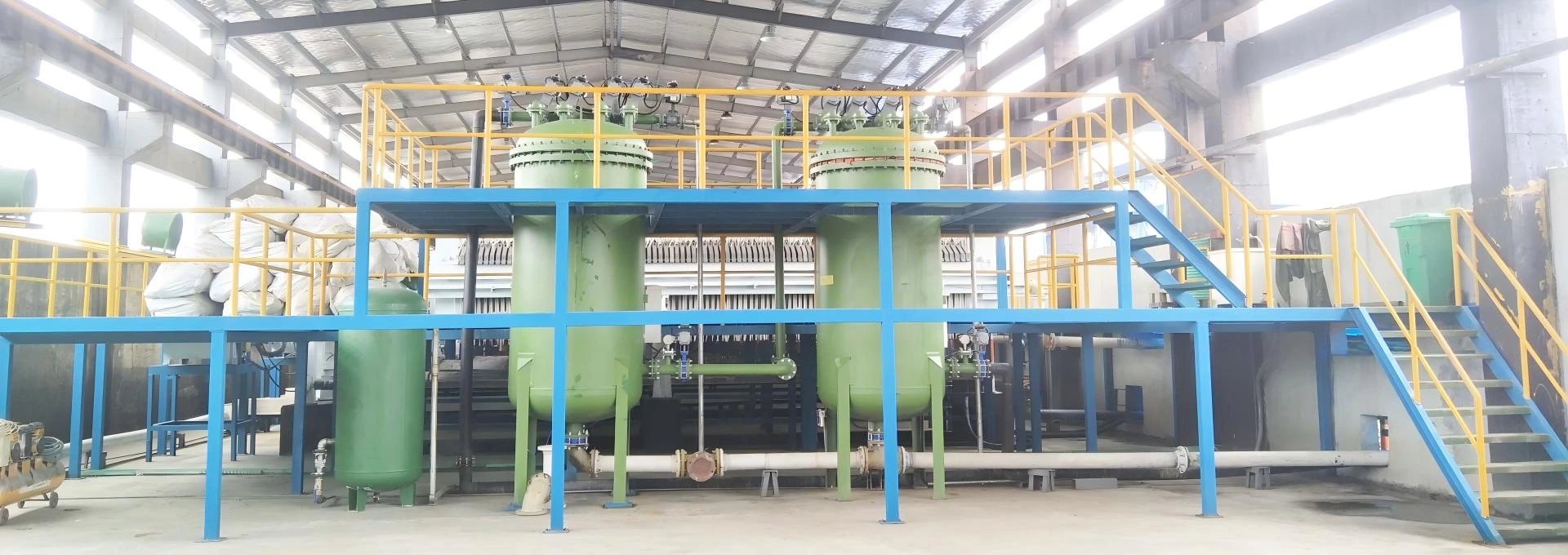
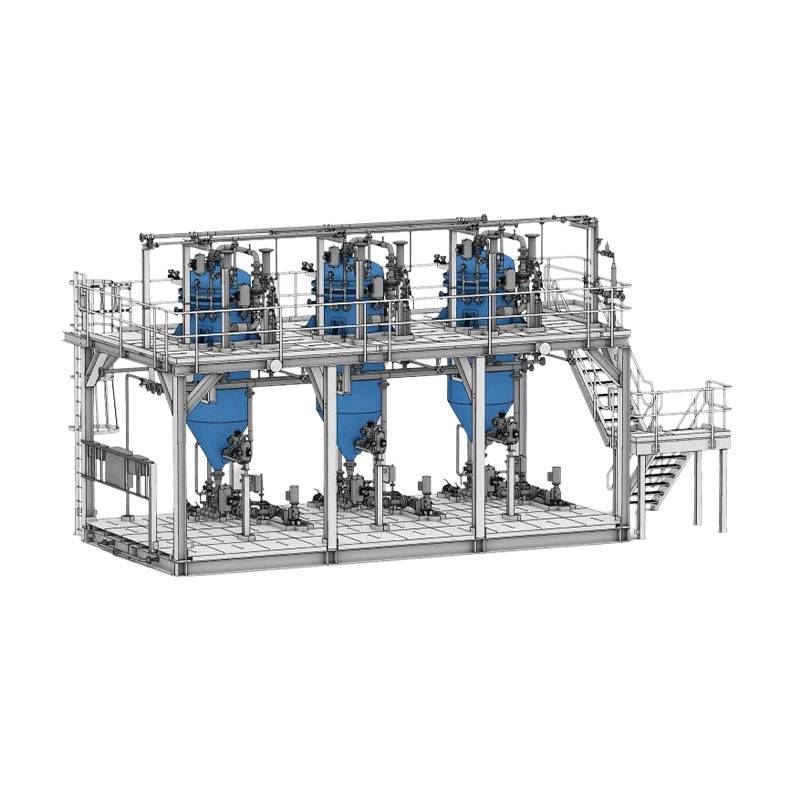
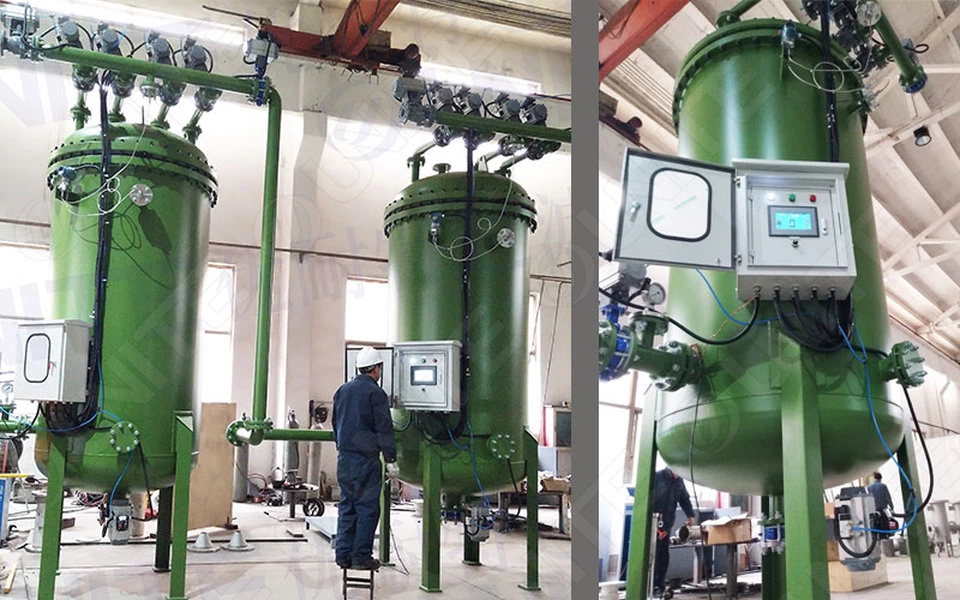
The Microporous Filter System is a fully enclosed microfiltration system designed for micron-level solid-liquid separation. The complete system consists of five main components: the filter housing, quick-opening bottom cover, PE/PA/PTFE filter tubes, regeneration system, and automatic control system.
It is mainly used for removing trace impurities and activated carbon particles, fine filtration of brine containing calcium and magnesium salts in chlor-alkali production, raw material filtration in inorganic salt manufacturing, high-flow chemical liquid filtration, and fine filtration of mother liquor, crystallization liquid, and leaching solutions.
Fully Automatic and Intelligent Design
The system enables micron-level filtration, automatic discharge, automatic regeneration, and intelligent interlocking control of liquid level, temperature, flow rate, and pump operation.
Superior Backwashing Performance
The backwashing effect is superior to conventional filters. The filter elements are reusable, reducing operating costs and extending service life.
Enhanced Reverse Flow Cleaning
Designed for wet discharge filtration, the filter elements are cleaned through internal and external pressure backwashing. The optimized structure improves reverse flow efficiency.
Low Maintenance Requirements
The filter body contains no moving parts, minimizing maintenance costs. Compared with traditional filters, it features a compact design, easy operation, CIP in-situ cleaning capability, and removable internal components.
Fully Enclosed Clean Filtration
The enclosed filtration system ensures clean production, prevents environmental contamination, and provides a safer operating environment.
Fluid Entry – Raw fluid enters the system through the inlet.
Filtration – Fluid passes through the microporous membrane.
Particle Retention – Particles, impurities, and suspended solids larger than the membrane pore size are trapped on the surface or within the membrane structure.
Clean Fluid Passage – Only filtered, clean fluid passes through the membrane to the outlet.
Pressure & Flow Maintenance – System maintains stable pressure and consistent flow throughout operation.
Contamination Prevention – Trapped impurities prevent contamination of downstream processes.
Optional Cleaning/Sterilization – Membrane can be cleaned or sterilized for reuse, maintaining performance and extending service life.
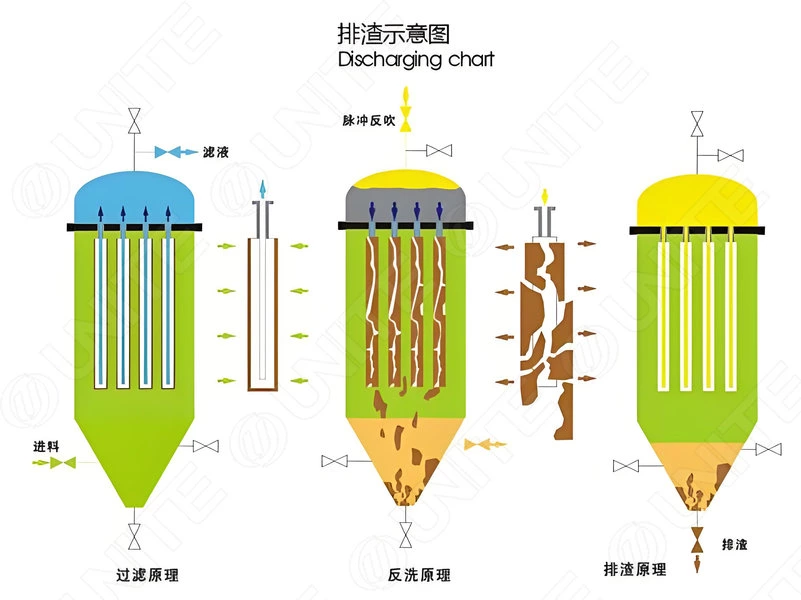
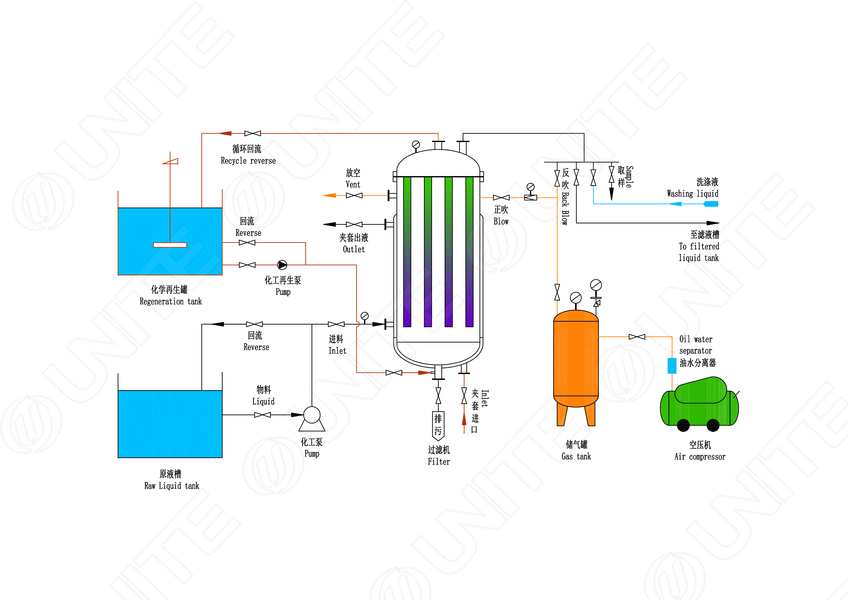
The liquid containing impurities enters the filter system through the inlet.
The liquid passes through the microporous membrane, and solid particles and suspended solids are retained on the membrane surface or within the pores.
The retained solid impurities are periodically cleaned or backwashed to ensure membrane flux and service life.
The liquid is evenly distributed over the surface of the microporous membrane to prevent local erosion or blockage.
The clean liquid flows along the inner side of the membrane and is collected at the outlet.
The system can operate continuously to achieve stable and high - precision filtration.
| Key Performance Parameters | VVTF10 | VVTF30 | VVTF50 | VVTF100 | VVTF150 | VVTF200 | VVTF300 | VVTF500 |
|---|---|---|---|---|---|---|---|---|
| Filtration Area (m2) | 10 | 30 | 50 | 100 | 150 | 200 | 300 | 500 |
| Optional Precision (μm) | 0.1-100 (across all models) | |||||||
| Filtration Element | High - molecular polyethylene PE/PA/PTFE/TA2/316L/sintered titanium powder filter element (for all models) | |||||||
| Maximum Operating Temperature (∘C) | ≤200 (TA2/316L can withstand up to 600∘C) (for filtration element and relevant parts) | |||||||
| Operating Pressure (MPa) | ≤0.4 (for all models) | |||||||
| Housing Material | 304/304L/316L/carbon steel/lined PP/lined fluorine; other materials (such as duplex steel, etc.) and 904, titanium material can be customized | |||||||
| Maximum Operating Temperature for Housing (∘C) | 200∘C(TA2/316Lfilter element can with stand up to 600^{\circ}C$) | |||||||
| Control System | Siemens PLC (for all models) | |||||||
| Optional Automation Instruments | Pressure transmitter, level sensor, flowmeter, etc. (for all models) | |||||||
| Back - blow Pressure | 0.4MPa~0.6MPa (for all models) | |||||||
A Microporous Filter System is an advanced filtration system that uses membranes or filter media with extremely small pore sizes to remove fine particles, bacteria, and impurities from liquids or gases, achieving high-precision separation.
The system works by forcing fluid through a microporous membrane. Particles larger than the pore size are retained on the surface or within the filter media, while clean fluid passes through as filtrate.
Key advantages include high filtration accuracy, reliable removal of fine particles and microorganisms, stable performance, compatibility with sterile processes, and suitability for high-purity applications.
These systems are widely used in pharmaceuticals, biotechnology, food and beverage, electronics, semiconductor manufacturing, chemical processing, and medical applications where high-purity filtration is required.
Common filter materials include PTFE, PVDF, PES, PP, and stainless steel sintered elements, depending on chemical compatibility, temperature resistance, and filtration requirements.
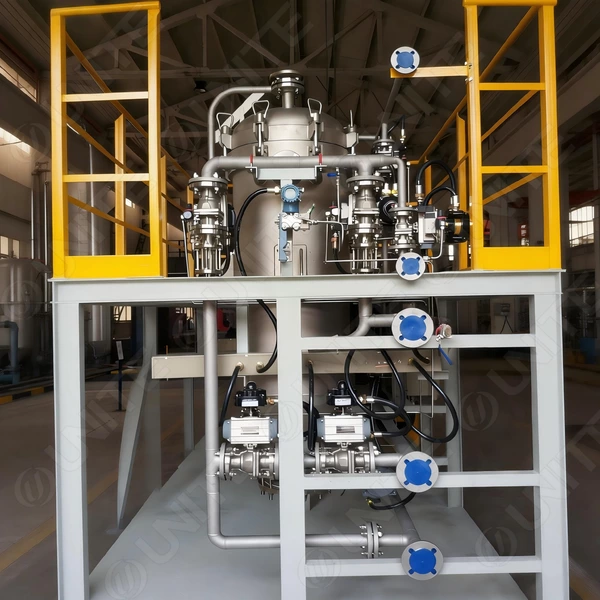
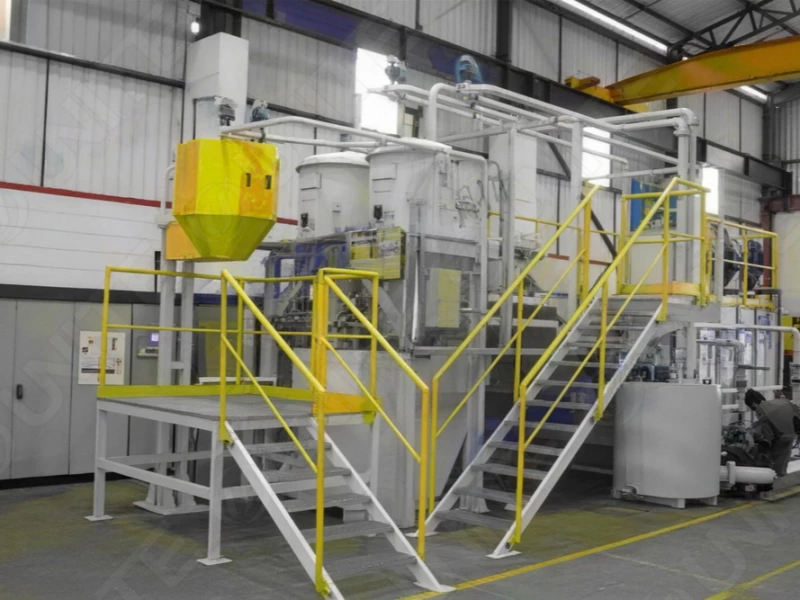
This duplex system ensures continuous water flow via a twin-barrel design, effectively preventing nozzle and equipment clogging caused by high-impurity mine water in both underground and surface operations.

The successful application of Unite's fully automatic backwash filtration system in lithium battery projects has realized fully automatic and closed o

For the removal of suspended solids from bulk pharmaceutical chemicals, Heilongjiang Biopharmaceutical Factory has adopted the micron-grade fully auto


We use cookies to collect information about how you use this site. We use this information to make the website work as well as possible and improve our services.more details