- Filtration accuracy
- 10μm - 500μm
- Temperature range
- 0°C - 70°C
- Flow rate
- 10 - 1200 m³/h
- Operating pressure
- 0.4 - 1.6 MPa
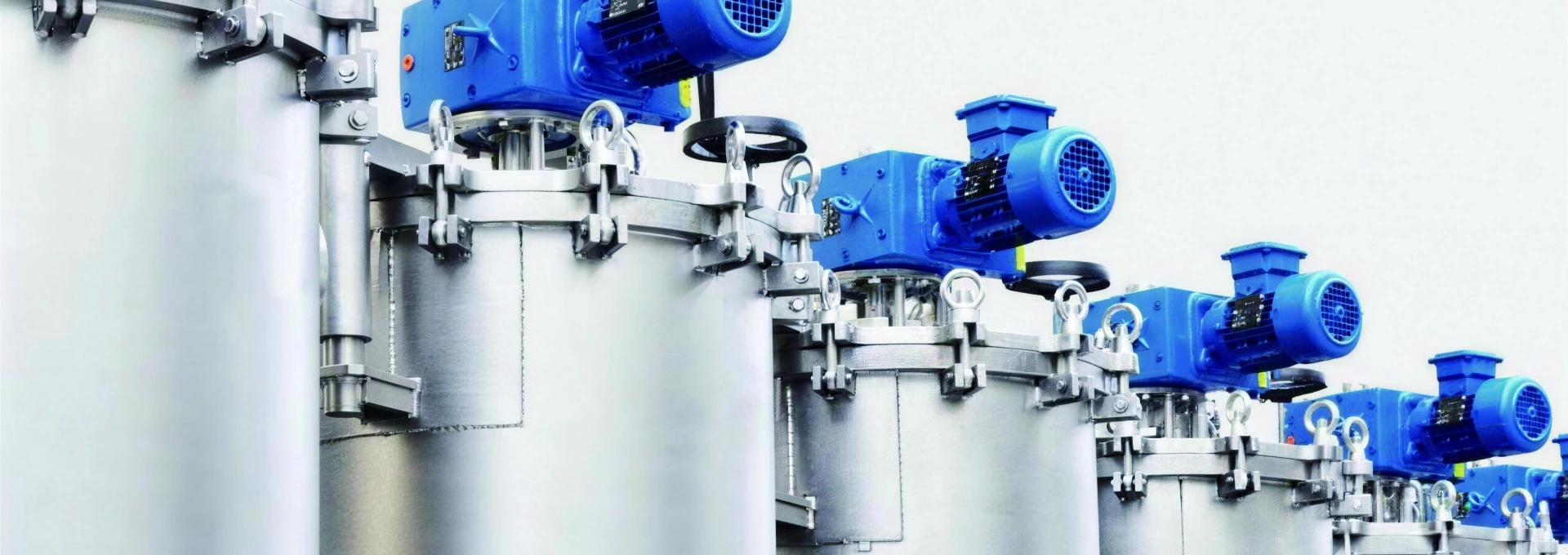
LOW MAINTENANCE AND OPERATIONAL COST
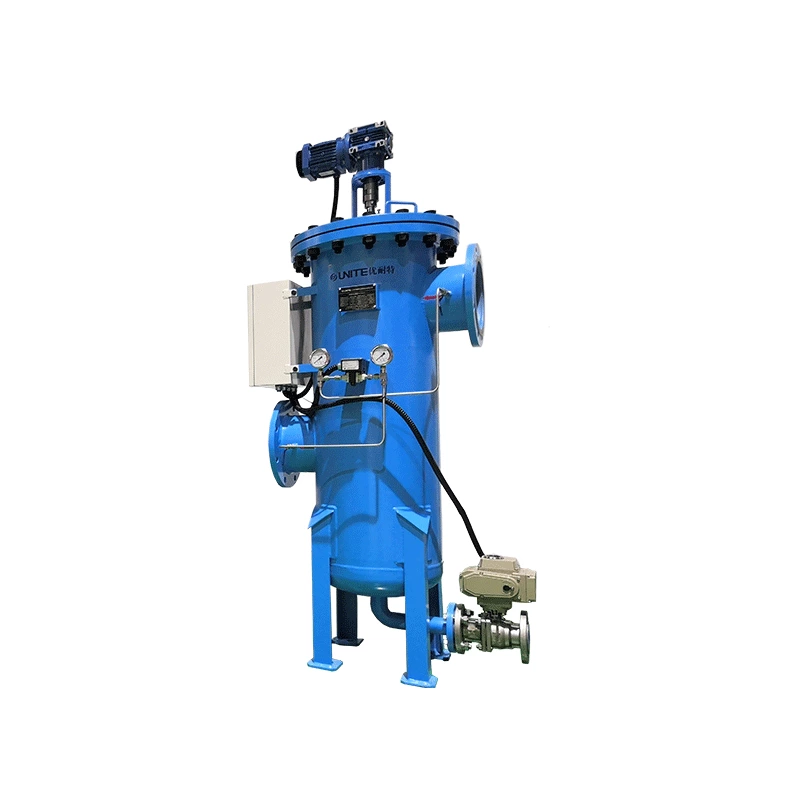
Brush-type Self-cleaning Filter is an automatic filtration system designed for continuous removal of solid contaminants from liquid streams. It uses an internal rotating brush mechanism to clean the filter screen automatically without interrupting the filtration process, ensuring stable flow and long-term operation.
UNITE FILTER’s brush-type self-cleaning filters are engineered for industrial applications requiring reliable filtration, low maintenance, and uninterrupted operation. The system effectively removes suspended solids, particles, rust, and impurities from water, process liquids, and other industrial fluids.
With automatic cleaning, high dirt-holding capacity, and compact design, the Brush-type Self-cleaning Filter provides an efficient and cost-effective filtration solution for water treatment, chemical processing, power plants, metallurgy, and other industrial applications.
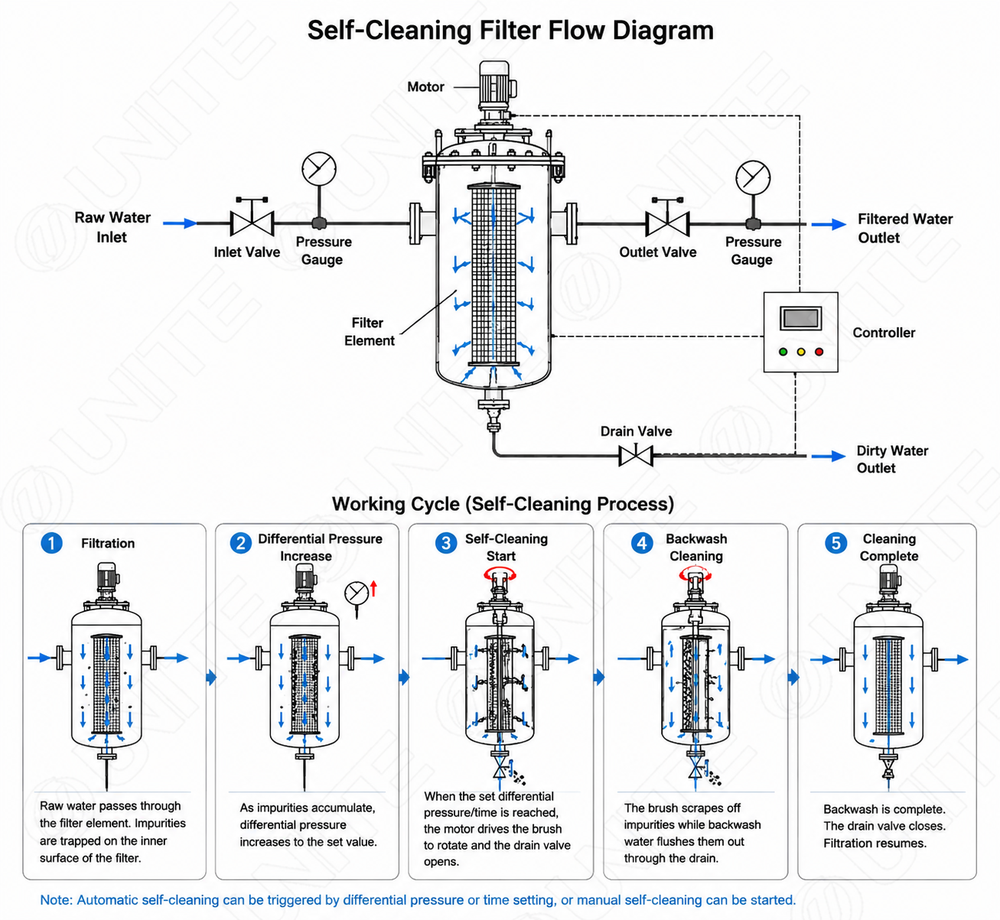
The filter uses a high-strength stainless steel screen to capture suspended solids, particles, rust, and other contaminants while allowing clean fluid to pass through.
When contaminants accumulate on the screen surface and the pressure differential reaches the preset value, the motor-driven brush rotates to remove trapped particles automatically.
During the cleaning cycle, the brush continuously cleans the screen while maintaining normal fluid flow, ensuring uninterrupted operation.
The rotating brush provides effective mechanical cleaning, preventing clogging and maintaining stable filtration performance over long operating periods.
The self-cleaning process reduces screen fouling and wear, helping maintain long-term filtration efficiency and extending equipment lifespan.
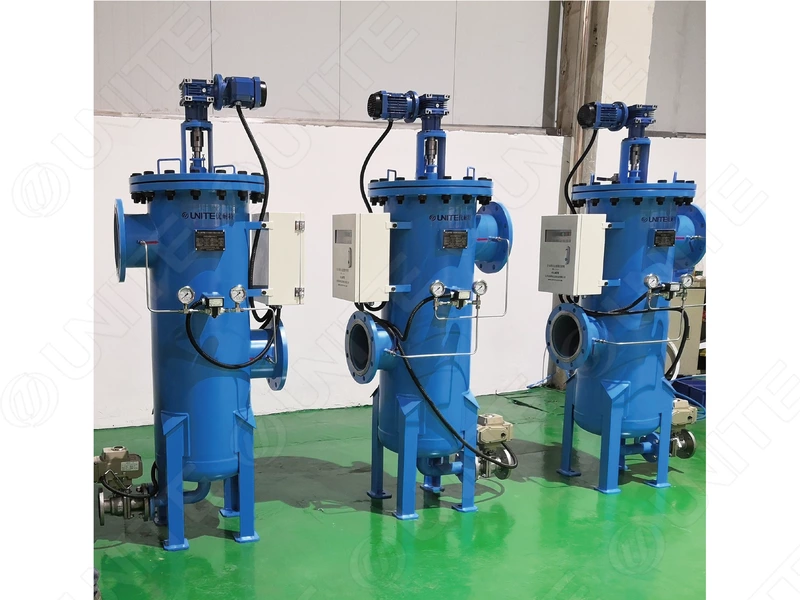
The fluid containing impurities enters the filtration chamber of the automatic filter, where the fluid velocity in the pipeline decreases. The fluid flows radially through the sealed filter screen element, and impurities are intercepted on the screen surface, while the clean fluid continuously flows out through the outlet.
When the impurities accumulated on the filter screen surface reduce the ffective filtration area and the differential pressure reaches a presetvalue, the motor starts to drive the cleaning component to clean the screen 360 degrees without dead ends. Simultaneously, the automatic drain valve opens to discharge the impurities. When the pressure difference returns to its initial value, the automatic drain valve closes,and the motor stops working.
This fully automatic filtration system offers two selectable modes: automatic intermittent or continuous drainage.
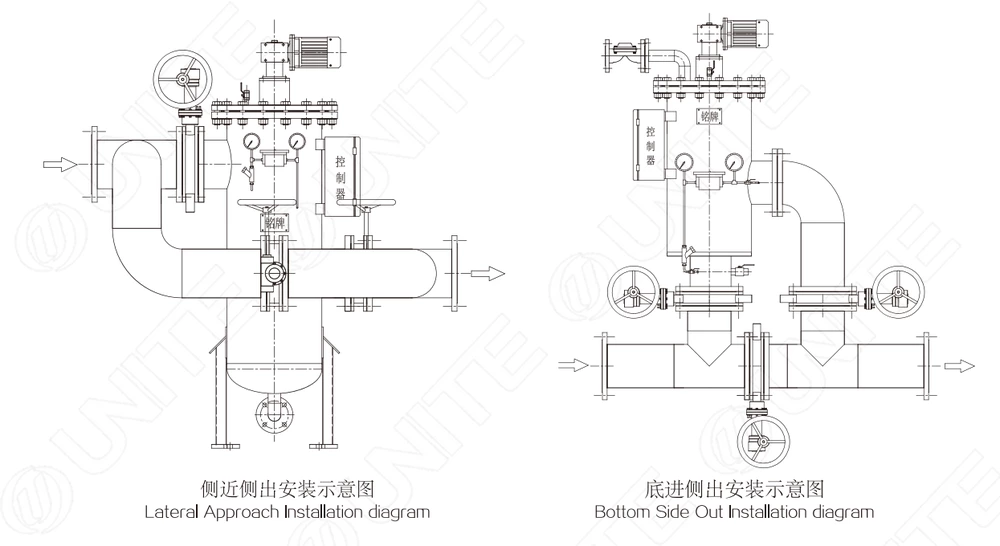
| Model | CC - 02 | CC - 03 | CC - 04 | CC - 05 | CC - 06 | CC - 08 | CC - 10 | CC - 12 | CC - 14 | CC - 16 | CC - 18 | CC - 20 |
|---|---|---|---|---|---|---|---|---|---|---|---|---|
| Working Voltage | 3 - phase 380V 50Hz | |||||||||||
| Power (kw) | 0.37 | 0.37 | 0.37 | 0.37 | 0.55 | 0.55 | 0.55 | 0.75 | 0.75 | 0.75 | 0.75 | 2.20 |
| Flow Rate (m³/h) | 20 | 45 | 65 | 120 | 165 | 265 | 330 | 410 | 590 | 1050 | 1560 | 2150 |
| Filter Area (cm²) | 2275 | 2756 | 3227 | 3586 | 5865 | 6352 | 9956 | 10955 | 14395 | 16521 | 21552 | 33250 |
| Inlet/Outlet Diameter (mm) | DN50 | DN80 | DN100 | DN125 | DN150 | DN200 | DN250 | DN300 | DN350 | DN400 | DN450 | DN500 |
| Drain Outlet Diameter (mm) | DN25 | DN25 | DN25 | DN25 | DN50 | DN50 | DN50 | DN80 | DN80 | DN80 | DN80 | DN80 |
| Blowdown Time (s) | 10~60 | |||||||||||
| Working Pressure (Mpa) | 0.1~1.6 | |||||||||||
| H(mm) | 1350 | 1500 | 1600 | 1650 | 1920 | 1970 | 2180 | 2490 | 2610 | 2720 | 2830 | 2920 |
| H1(mm) | 880 | 950 | 1100 | 1100 | 1350 | 1350 | 1450 | 1650 | 1700 | 1750 | 1850 | 1900 |
| H2(mm) | 485 | 650 | 650 | 650 | 800 | 800 | 850 | 1000 | 1050 | 1050 | 1100 | 1200 |
| H3(mm) | 150 | 150 | 150 | 150 | 200 | 200 | 200 | 250 | 250 | 250 | 250 | 250 |
| L1(mm) | 520 | 537 | 625 | 625 | 750 | 750 | 830 | 930 | 1020 | 1220 | 1320 | 1420 |
| L2(mm) | 708 | 713 | 763 | 763 | 883 | 925 | 985 | 1098 | 1145 | 1290 | 1380 | 1438 |
Talk to Our Engineers to Get a Free, Customized Filtration Solution.
A Brush-type Self-cleaning Filter is an automatic filtration system that uses rotating or fixed brushes to remove accumulated solids from the filter screen surface, ensuring continuous operation without frequent manual cleaning.
As fluid passes through the filter screen, particles are retained on the surface. When a cleaning cycle is triggered (by timer or pressure differential), the internal brush mechanism rotates or scrapes the screen, dislodging debris which is then discharged through a drain valve.
Key advantages include continuous filtration, automatic cleaning without consumables, low maintenance cost, stable flow performance, and suitability for systems with moderate solid content.
These systems are widely used in water treatment, irrigation systems, petrochemical processes, cooling water systems, food and beverage production, and industrial circulation systems.
Brush-type filters use rotating or fixed brushes to clean the filter screen gently, making them suitable for water-based or low-viscosity fluids. Scraper filters use stronger mechanical scraping, which is better for sticky, viscous, or high-solid media.
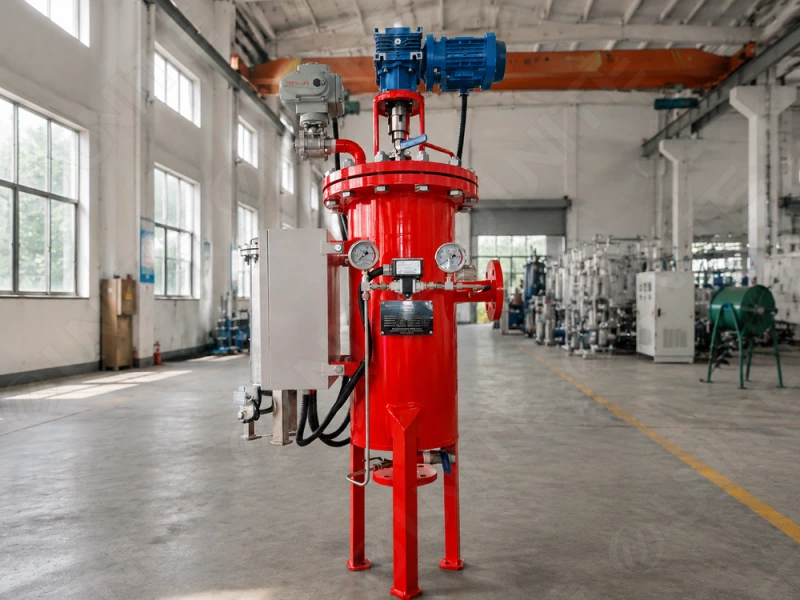
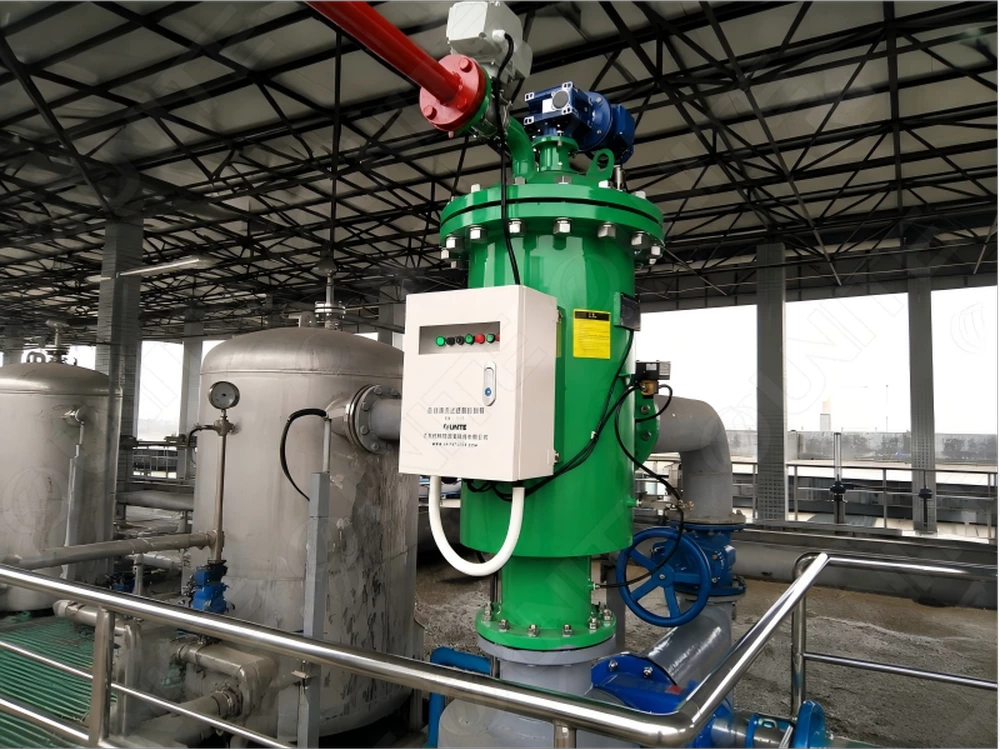
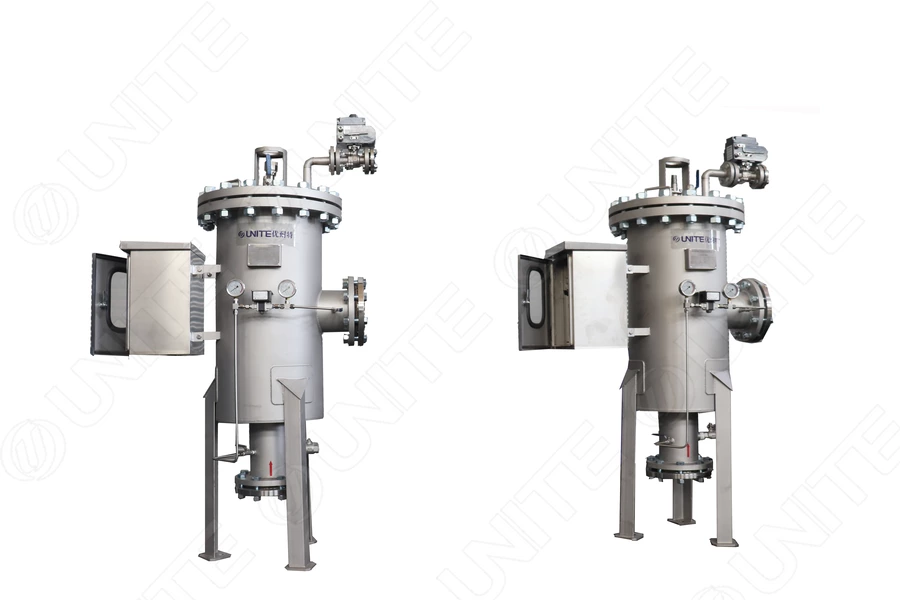
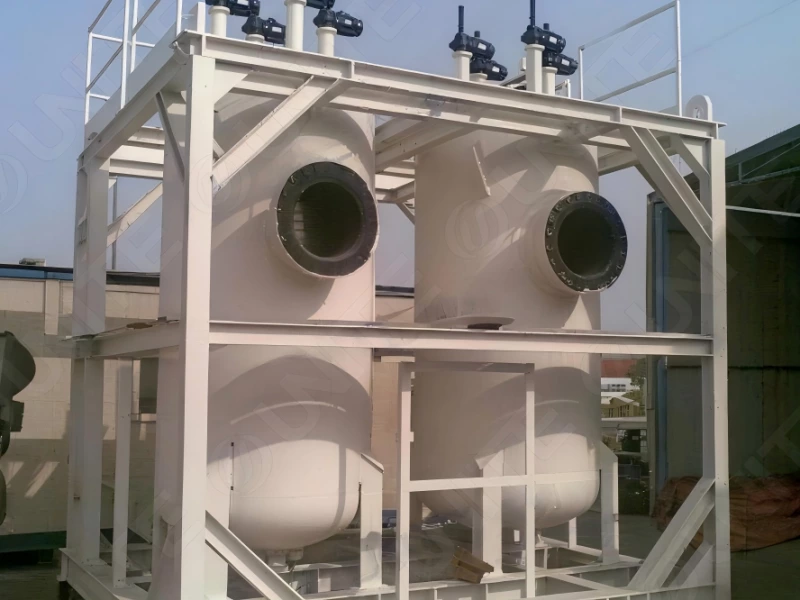
Designed for high-flow scientific research environments, this automatic self-cleaning system provides real-time water purification to protect high-precision measuring instruments and pump systems.

Empowering China Minmetals' battery-grade production, this fullyautomatic separation solution achieves nano-level filtration and automateddischarge for high-efficiency expansion.

For a large chemical plant in the Dalian Development Zone, UNITE supplied a modular automatic self-cleaning filtration unit for high-flow circulating cooling-water purification and reuse. The system combines stainless-steel wedge-wire screens, motor-driven suction or brush cleaning, automatic blowdown, differential-pressure and timer triggers, PLC control, touchscreen monitoring, remote communication, and corrosion-resistant construction. The reported result was an extension of heat-exchanger cleaning and maintenance cycles by more than 50%, together with zero manual intervention for automatic blowdown.


We use cookies to collect information about how you use this site. We use this information to make the website work as well as possible and improve our services.more details