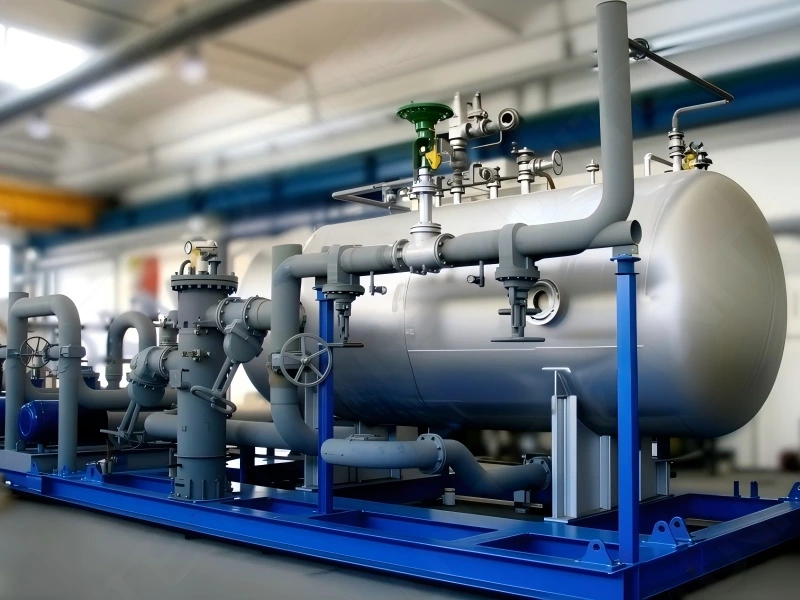
How to Select Filtration Equipment for Oil Refinery Unit Operations
Oil refinery filtration cannot be specified from the industry name alone. Each unit operation has a different fluid phase, contaminant source, operating condition and protection objective. A crude feed stream, a catalyst-containing slurry, a refinery fuel gas stream and an aviation-fuel finishing line may require completely different filtration and separation technologies.
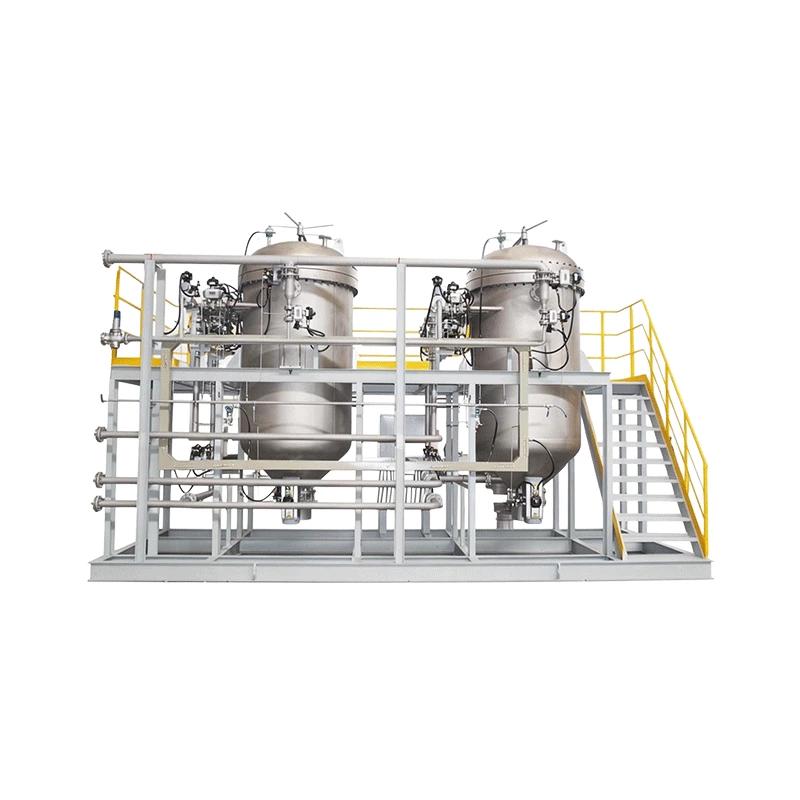
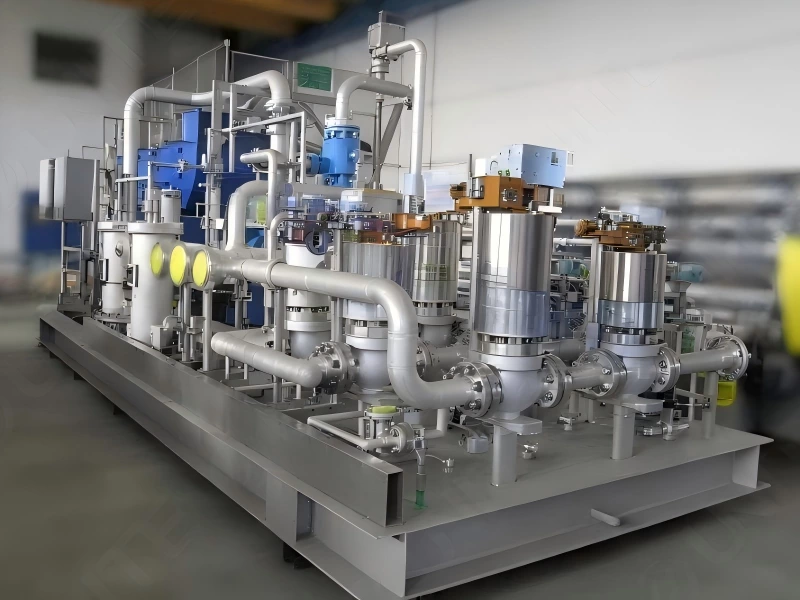
The correct selection process starts with the stream, not the equipment catalogue. Define the fluid phase, contaminant type, flow rate, viscosity, temperature, pressure, particle or droplet size and required outlet condition. Then compare automatic filters, candle filters, pressure leaf filters, gas-liquid coalescers, separators, high-flow filters or a packaged skid-mounted system.
Refinery Filtration Selection at a Glance
| Refinery duty | Main contamination or risk | Candidate technology path | Key data |
| Crude and feed protection | Sand, silt, corrosion products and other solids | High-flow or automatic pre-filtration | Flow, viscosity, solids loading, allowable pressure drop |
| FCC or hydroprocessing slurry | Catalyst fines and suspended solids | Candle or pressure leaf filtration, subject to process validation | Particle distribution, temperature, pressure, solids value |
| Amine and gas treating | Liquid aerosols, oil mist and particulates | Gas filter, coalescer or separator | Gas rate, droplet size, composition, pressure and temperature |
| Hydrogen or fuel gas protection | Liquid carryover and fine solids | Gas filter, coalescing or multi-stage separation | Gas composition, outlet quality, compressor limits |
| Product finishing | Water, solids or fine contamination | Coalescing and precision filtration | Product properties, water content, target quality |
| Utility and process water | Suspended solids and variable loading | Automatic self-cleaning or backwash filtration | Flow variation, solids loading, cleaning water and drain capacity |
Crude Distillation and Feedstock Protection
Crude and feed streams can carry inorganic solids, sand, silt, salts, corrosion products or other contaminants. The filtration objective may be to protect pumps, control valves, heat exchangers, desalting equipment or downstream process equipment. The correct technology depends on the actual solids loading, viscosity, temperature and acceptable pressure drop.
A high-flow or automatic filtration configuration may be considered where the stream is continuous and solids loading is moderate. A different separation or staged process may be required when solids are heavy, sticky, abrasive or present at a high concentration. The final recommendation should be supported by process data rather than a nominal flow rating.
FCC, Hydroprocessing and Catalyst-Fines Removal
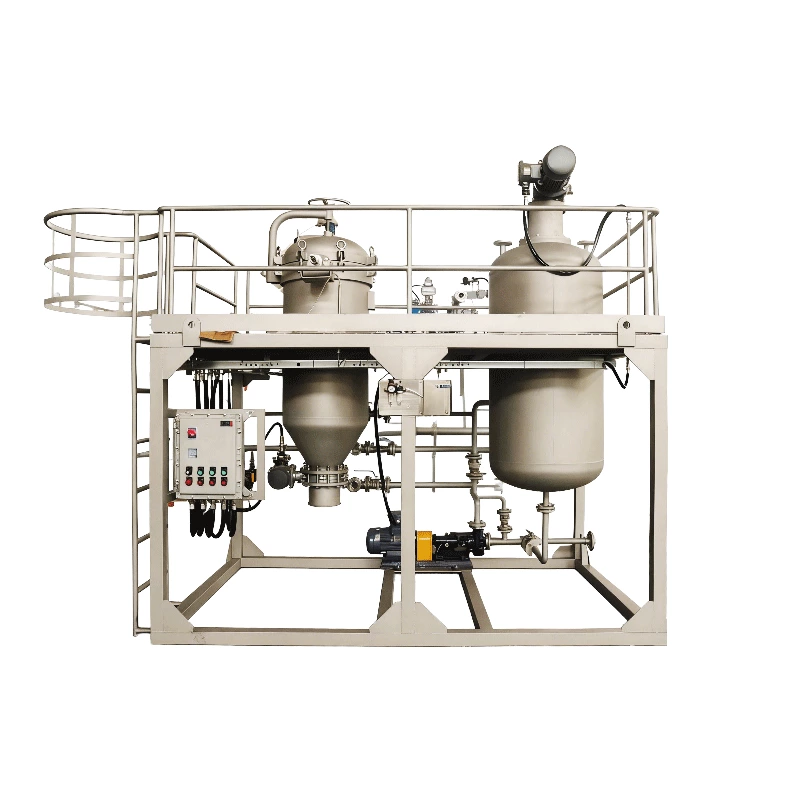
Catalyst fines and valuable solids require a different decision framework from ordinary utility-water filtration. The design may need to prioritize solids recovery, closed operation, cake discharge, high-temperature compatibility or protection of downstream equipment. Candle filters and pressure leaf filters may be considered for suitable solid-liquid separation duties, while other streams may need a different process arrangement.
Define whether the solids are waste or recoverable, whether the stream is hazardous, whether the filter must operate continuously, and how the cake or reject will be handled. Confirm metallurgy, seals, pressure rating and cleaning procedure before selecting the equipment.
Amine, Hydrogen and Gas-Treating Streams
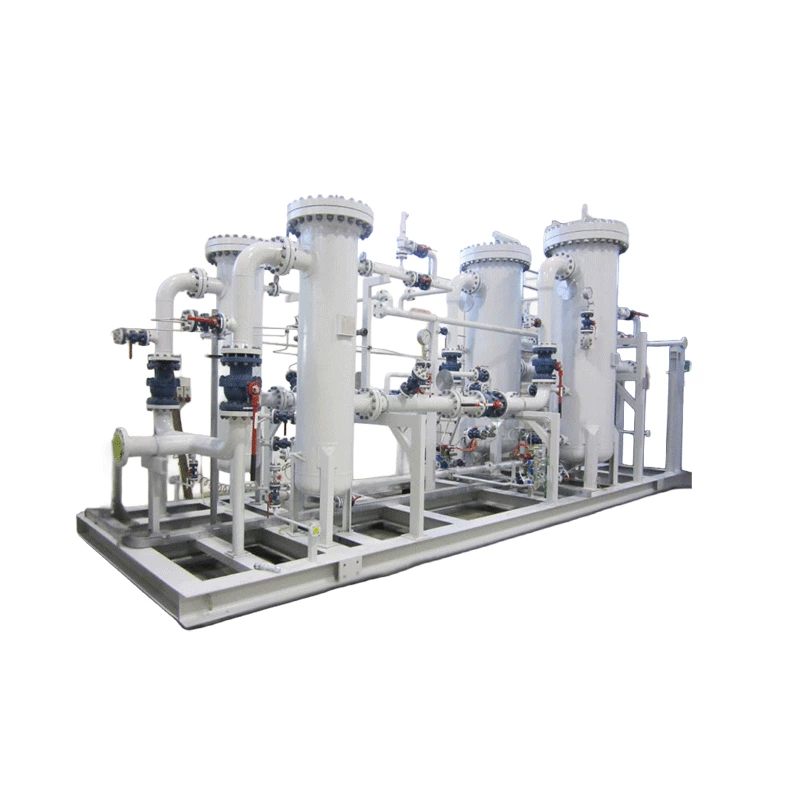
Gas-treatment streams may contain liquid aerosols, oil mist, corrosion products or entrained solids. A gas filter is generally selected for solid-particle removal, while a gas-liquid coalescer is intended for liquid-droplet separation. A gas filter separator or multi-stage system may be appropriate when gas, liquid and solids are present together.
The equipment must be evaluated against gas composition, operating pressure, temperature, flow variation, droplet-size distribution and the sensitivity of downstream compressors, reactors, molecular-sieve beds or other equipment. Claims about removal efficiency or outlet quality require project-specific design and validation.
Product Finishing and Aviation Fuel Filtration
Product-finishing duties often have strict quality and safety requirements. The selection should consider free water, emulsified water, suspended solids, product viscosity, flow rate, allowable pressure drop and the required downstream specification. A coalescing or precision-filtration system may be considered, but the final configuration depends on the actual product and test requirements.
Do not present a general equipment recommendation as a fuel-quality or regulatory guarantee. Link to the relevant project case study only when the case contains matching product, operating and performance information.
Required Process Data
| Data category | Information to provide |
| Fluid | Composition, phase, density, viscosity and chemical compatibility |
| Operating conditions | Normal and maximum flow, pressure, temperature and transients |
| Contamination | Type, concentration, particle/droplet size and source |
| Objective | Equipment protection, product quality, solids recovery or gas conditioning |
| Operation | Continuous or batch, allowable downtime, cleaning and maintenance strategy |
| Installation | Footprint, connection standard, hazardous-area and control requirements |
| Reject handling | Drain, recovery, waste classification and allowable reject volume |
When Engineering Review Is Mandatory
Project-specific engineering review is required for sour gas, aggressive chemicals, high pressure, high temperature, hazardous service, valuable catalyst recovery, brownfield integration, strict outlet specifications or any application where a failure could affect safety, production or regulatory compliance.
Recommended UNITE Links
Use these internal links in the body: oil refining filtration solutions, candle filter, pressure leaf filter, gas-liquid coalescer, and skid-mounted filtration system.