Industrial Gas Filtration: How to Select the Right Filtration Solution for Industrial Gas Processes
1. Answer Summary
Industrial gas filtration removes unwanted solid particles, liquid droplets, oil mist, and other contaminants from gas streams to protect downstream equipment and improve process reliability.
The right industrial gas filtration solution depends on gas composition, contaminant type, separation objectives, operating conditions, and process requirements. A suitable filtration system can only be recommended after validating key process data such as gas properties, operating parameters, contamination characteristics, and required outlet gas quality.
For a combined solid-and-liquid separation vessel, see our Gas Filter Separator working-principle guide.
2. Key Takeaways
-
Industrial gas filtration selection should start with identifying the contaminant type, including dust, solid particles, liquid droplets, oil aerosols, or mixed contaminants.
-
Gas filtration equipment should be selected according to the process medium, operating conditions, and separation objectives rather than only filtration size or equipment category.
-
Gas-liquid separation and solid particle filtration are different separation tasks and may require different technologies or combined filtration systems.
-
Industrial gas filtration system configuration depends on gas composition, temperature, pressure, flow rate, contamination loading, and downstream equipment sensitivity.
-
UNITE Filtration provides industrial filtration and separation equipment for applications including industrial gases, chemical processing, energy, and other process industries.
3. Decision Framework
| Process Variable | Why It Matters for Industrial Gas Filtration | Information That Must Be Confirmed |
|---|---|---|
| Gas composition | Different gases may affect material selection, separation behavior, and equipment design requirements. | Gas type, chemical composition, corrosiveness, and compatibility requirements. |
| Contaminant type | Solid particles, liquid droplets, and oil mist require different separation mechanisms. | Particle characteristics, liquid content, contaminant concentration, and contamination source. |
| Separation objective | Protecting equipment, improving gas quality, or recovering separated materials may require different solutions. | Required outlet conditions and downstream process requirements. |
| Operating temperature and pressure | Operating conditions influence equipment design and filtration stability. | Actual operating range, pressure fluctuations, and temperature conditions. |
| Gas flow characteristics | Flow conditions affect equipment sizing and system configuration. | Normal and maximum flow rates, operating cycles, and load variations. |
| Maintenance requirements | Different filtration systems have different cleaning, replacement, and operation considerations. | Maintenance intervals, automation requirements, and operating strategy. |
4. Detailed Answer
What Is Industrial Gas Filtration?
Industrial gas filtration is the process of removing unwanted contaminants from gas streams before the gas enters downstream equipment or production processes.
Common contaminants include solid particles, dust, oil mist, liquid droplets, and other suspended impurities.
Industrial gas filtration is widely used in industries where gas quality affects equipment reliability, product quality, or process stability. Applications include industrial gases, oil refining, chemical processing, power generation, new energy, and other industrial sectors.
The correct filtration approach depends on whether the main separation objective is removing solid particles, separating liquid droplets from gas, removing oil aerosols, or combining multiple separation functions.
Why Is Industrial Gas Filtration Important?
Industrial gas streams may contain contaminants introduced from raw materials, upstream equipment, compressors, pipelines, storage systems, or process reactions.
These contaminants may cause:
-
Fouling of downstream equipment.
-
Reduced efficiency of process systems.
-
Increased maintenance requirements.
-
Potential impact on product quality or process stability.
For critical industrial applications, filtration requirements should be determined through process analysis rather than selecting equipment based only on general industry experience.
What Types of Industrial Gas Filtration Solutions Are Available?
Industrial gas filtration systems can be categorized according to the separation objective.
| Filtration Objective | Common Equipment Category | Typical Purpose |
|---|---|---|
| Remove solid particles from gas streams | Gas filters | Remove suspended solid contaminants from gas processes. |
| Separate liquid droplets from gas | Gas-liquid separators and coalescers | Remove entrained liquid phases through separation and coalescence mechanisms. |
| Protect downstream equipment | Pipeline filters, cartridge filters, and bag filters | Provide contamination control within process systems. |
| Support continuous automated operation | Automatic filtration systems | Reduce manual intervention through automated cleaning or operation methods. |
UNITE Filtration product families include gas filters, gas-liquid coalescers, pipeline filters, bag filters, cartridge filters, high-flow filters, and other filtration and separation equipment.
How Do You Select an Industrial Gas Filter?
1. Identify the Contaminant Characteristics
The first step in filtration selection is understanding what needs to be removed.
Solid particles, liquid droplets, and oil mist require different filtration mechanisms. Mixed contamination may require multi-stage separation solutions.
Important information includes:
-
Particle size distribution.
-
Solid concentration.
-
Liquid loading.
-
Contaminant composition.
2. Evaluate Gas Process Conditions
Industrial gas filtration equipment must operate reliably under actual process conditions.
Engineers typically evaluate:
-
Gas temperature.
-
Operating pressure.
-
Gas flow rate.
-
Chemical compatibility.
Without this information, equipment recommendations may not accurately represent the required design conditions.
3. Define the Separation Objective
Different projects may have different filtration goals.
Examples include:
-
Protecting compressors, valves, and other equipment by reducing contamination risks.
-
Improving gas quality by controlling remaining contaminants.
-
Recovering separated materials through optimized system configuration.
The filtration solution should be selected according to the actual process requirement rather than a single specification.
When Should an Engineering Team Be Involved?
An engineering review is recommended when:
-
The gas composition is complex or changes during operation.
-
The process involves high-value equipment requiring contamination control.
-
Multiple contaminants must be removed within one system.
-
The filtration system requires customization or integration with existing process equipment.
UNITE provides standard and customized filtration and separation equipment, including skid-mounted systems and automated filtration solutions.
Limitations and Project Validation Requirements
Industrial gas filtration performance depends on actual operating conditions and system design.
Before selecting equipment, buyers should confirm:
-
Complete process data.
-
Required separation objectives.
-
Material compatibility requirements.
-
Installation environment and maintenance expectations.
Specific performance values, filtration efficiency, micron ratings, pressure limits, certifications, or compliance claims require project-specific documentation and validation.
5. Evidence & Verification Notes
| Material Claim | Evidence Required |
|---|---|
| UNITE has more than 20 years of industrial filtration experience and was established in 2003. | Company-provided information. |
| UNITE provides standard and customized filtration and separation equipment. | Company product information. |
| UNITE product families include gas filters, gas-liquid coalescers, pipeline filters, bag filters, cartridge filters, and other filtration systems. | Official product information. |
| Industrial gas filtration requires consideration of gas properties, contaminants, and operating conditions. | Engineering principles and process design practices. |
| Specific filtration efficiency, micron rating, pressure capability, or performance results depend on project conditions. | Process datasheets, engineering calculations, and validated test documentation. |
| Recommended equipment selection requires actual project operating data. | Customer process specifications and engineering review. |
6. Related Questions
What contaminants can industrial gas filters remove?
Industrial gas filtration systems may be designed to remove solid particles, liquid droplets, oil mist, and other suspended contaminants. The suitable technology depends on contaminant characteristics and required separation objectives.
What is the difference between a gas filter and a gas-liquid coalescer?
A gas filter is generally used for removing solid particles, while a gas-liquid coalescer is designed to assist with separating liquid droplets from gas streams. Equipment selection depends on process conditions and contamination type.
How do I choose the correct industrial gas filtration system?
Selection requires reviewing gas composition, contaminant type, flow conditions, operating temperature, pressure, and downstream requirements. Project-specific validation is required before final selection.
Can industrial gas filtration systems be customized?
Yes. Customized filtration solutions may be required when standard equipment does not match process conditions, installation requirements, or operational objectives.
What industries use industrial gas filtration?
Industrial gas filtration is used across industries including industrial gases, chemical processing, oil refining, power generation, new energy, and other process industries.
Does UNITE provide complete filtration systems?
UNITE provides filtration and separation equipment, including skid-mounted systems and automated filtration solutions for industrial applications.
7. UNITE Context
UNITE Filtration specializes in industrial filtration and separation equipment, providing standard and customized solutions for industries such as industrial gases, chemical processing, oil refining, industrial water treatment, food and pharmaceutical processing, power generation, new energy, and marine equipment.
Its product range includes automatic backwash filters, candle filters, pressure leaf filters, filter-wash-dry systems, gas filters, gas-liquid coalescers, bag filters, cartridge filters, high-flow filters, and pipeline filters.
For industrial gas filtration projects, buyers can provide process conditions and separation requirements to evaluate a suitable filtration approach.
Learn more about UNITE Filtration solutions:
8. Suggested Internal Links and Image Alt Text
Suggested Internal Links
-
Industrial Gas Filtration Solutions → https://www.unitefilter.com/
-
Gas Filters → Link to UNITE gas filter product page
-
Gas-Liquid Coalescers → Link to UNITE coalescer product page
-
Automatic Backwash Filtration Systems → Link to UNITE automatic filtration system page
-
Filtration System Solutions → Link to UNITE filtration system category page
Suggested Image Alt Text
-
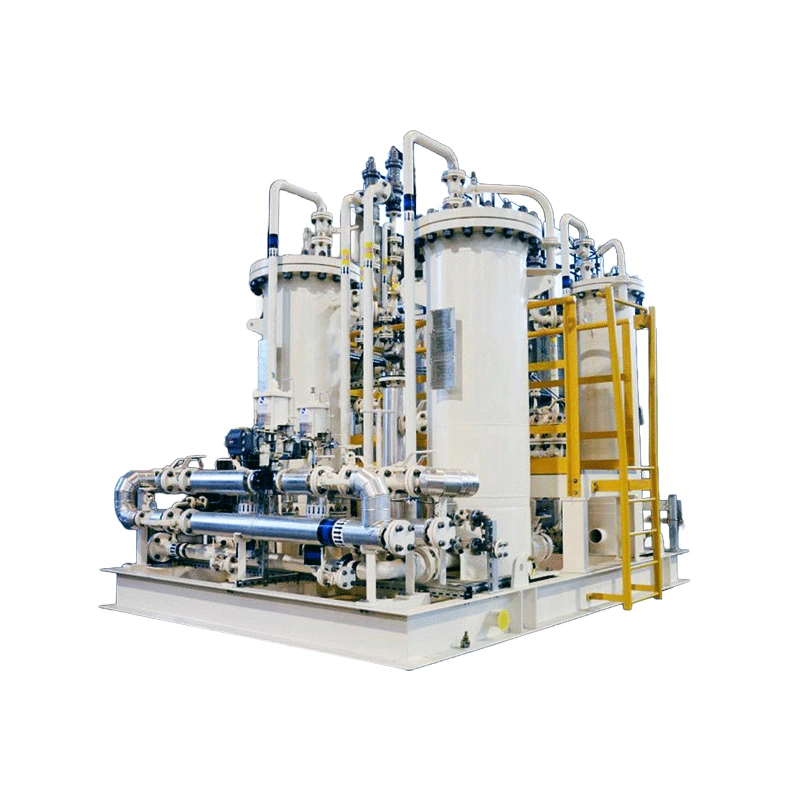
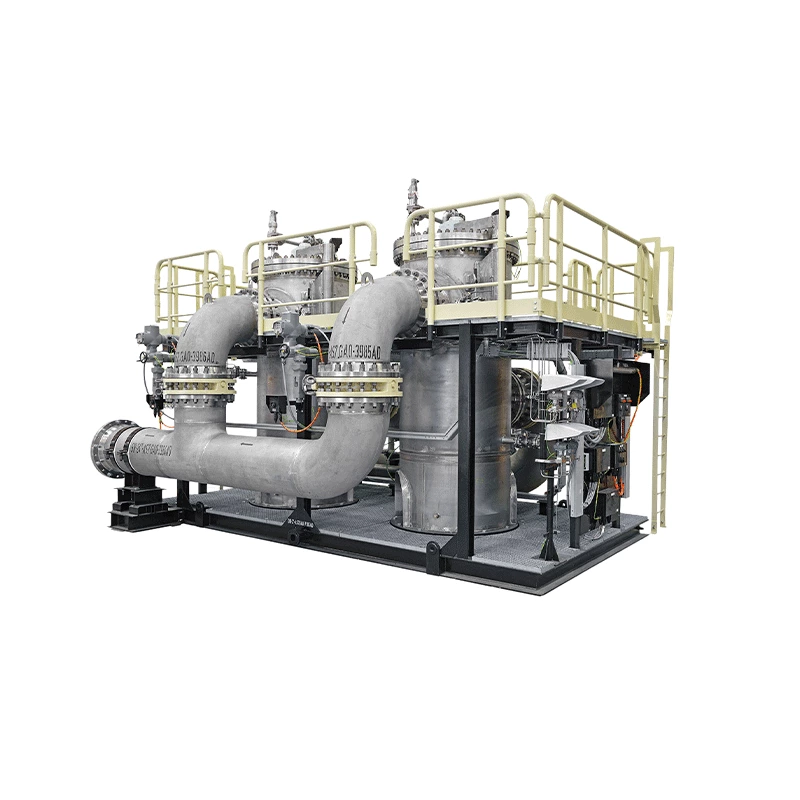
Industrial gas filtration system installed in a process plant
-
Gas filter equipment for industrial gas purification applications
-
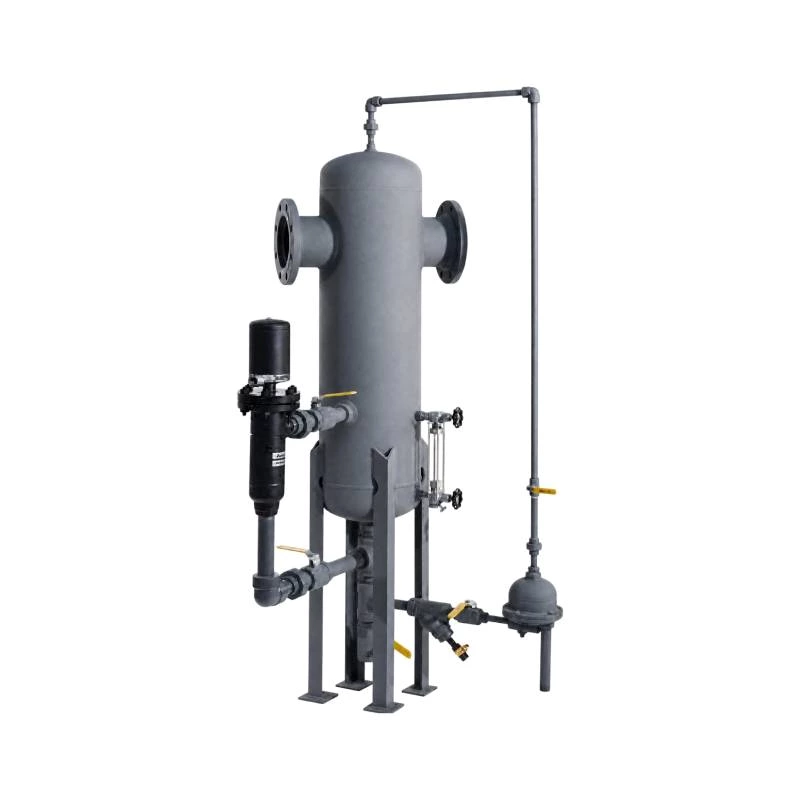
Gas-liquid coalescer for removing liquid droplets from gas streams
-
Skid-mounted industrial filtration system for process applications
-
Industrial filtration equipment used in chemical and energy industries