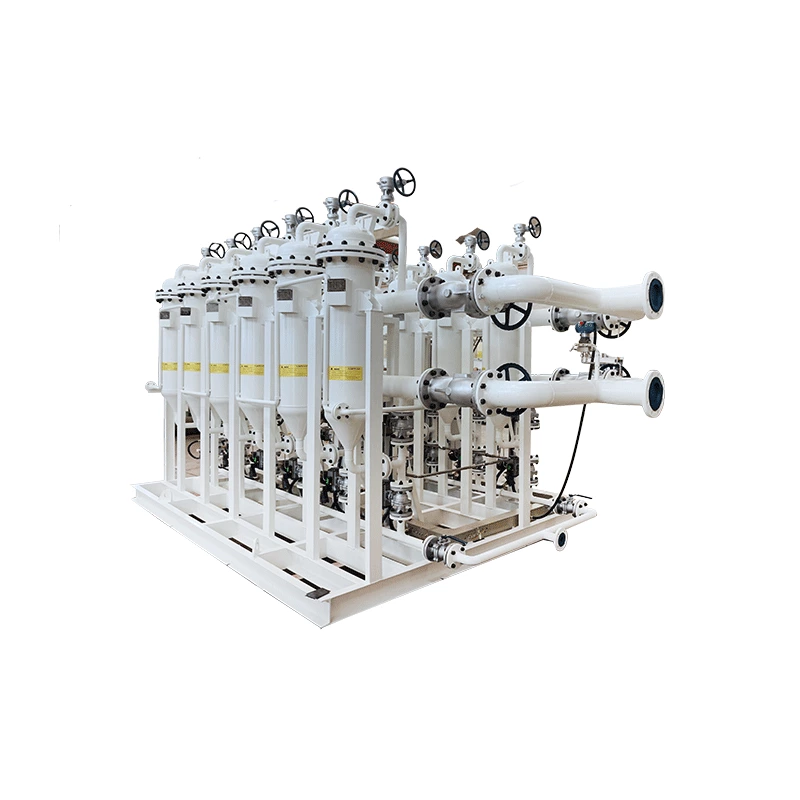
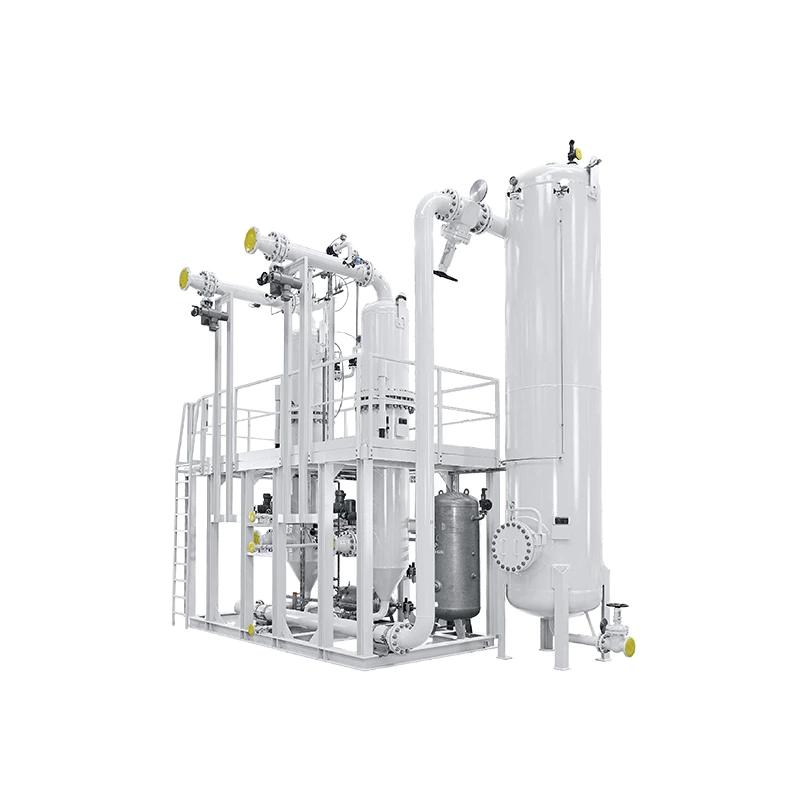
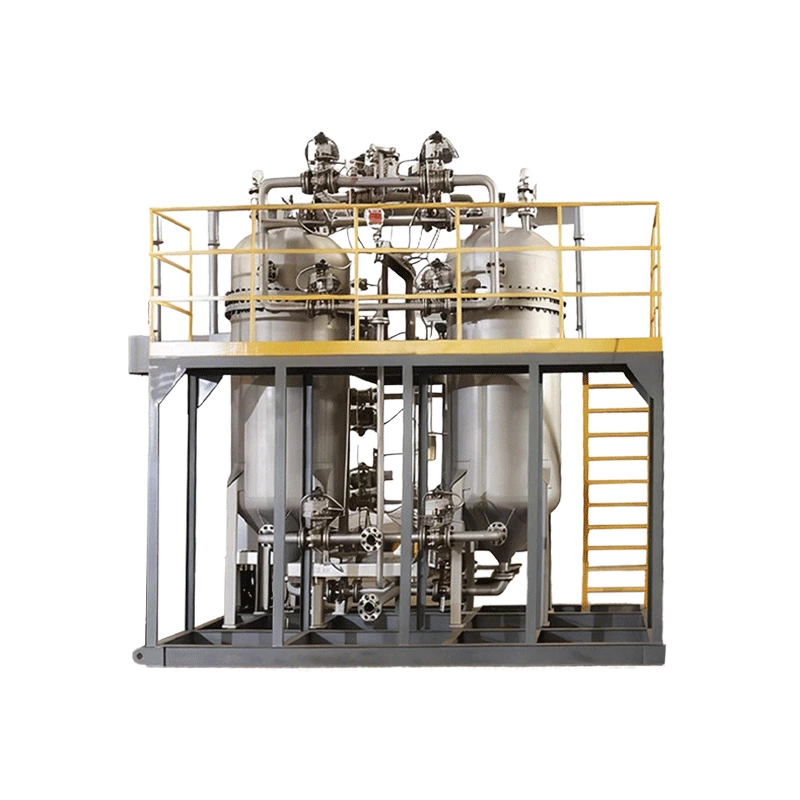
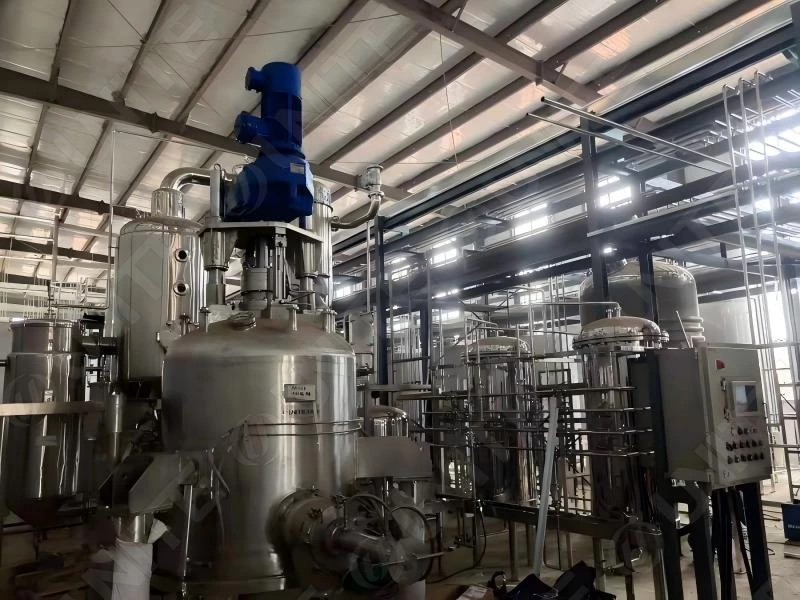
Cross-flow Filtration System for Oil Refining: A Technical Selection Guide
A Cross-flow Filtration System can be a practical option for oil-refining processes that need continuous separation while managing fine solids, catalyst particles, or difficult-to-filter slurries. Unlike conventional dead-end filtration, cross-flow filtration directs the feed stream parallel to the filtration surface. A portion of the liquid passes through as filtrate, while the remaining flow sweeps retained solids along the surface.
For refinery engineers and procurement teams, the key question is not simply whether a system can remove solids. It is whether the filtration approach fits the fluid characteristics, solids behavior, operating continuity requirements, cleaning strategy, and downstream process objectives. This guide explains how cross-flow filtration works, where it may fit in refinery operations, and how to evaluate it responsibly.
How Cross-flow Filtration Works
In a cross-flow arrangement, the feed circulates tangentially across a membrane or porous filter element. The pressure difference across the filtration medium drives a portion of the liquid through the element as permeate or filtrate. The main stream continues along the surface, carrying concentrated solids away from the filtration zone.
This flow pattern differs from dead-end filtration, where the entire feed stream is forced directly through the filtration medium. In dead-end operation, retained material can build rapidly into a filter cake. That may be useful in some batch separation duties, but it can also increase resistance to flow and require more frequent cleaning or element replacement.
Cross-flow operation is designed to limit excessive surface accumulation. The tangential flow creates shear at the filtration surface, helping reduce the thickness of the deposited solids layer. It does not eliminate fouling in every service, but it can make filtration more manageable where solids are fine, high in concentration, deformable, or otherwise prone to blinding conventional elements.
Core process streams
A typical system includes three principal streams:
- Feed: The refinery process liquid entering the system.
- Filtrate: The liquid that passes through the filtration medium.
- Retentate: The concentrated stream containing retained solids that continues circulating or is routed for recovery, further processing, or disposal.
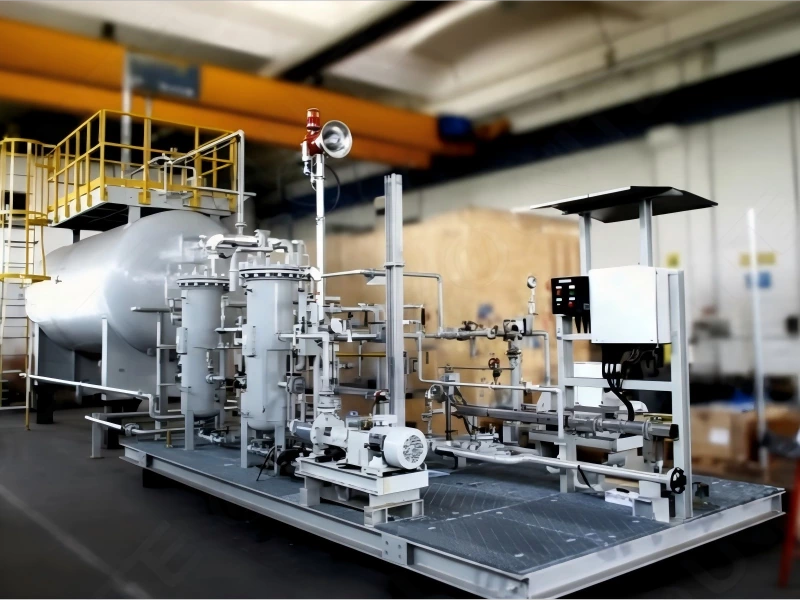
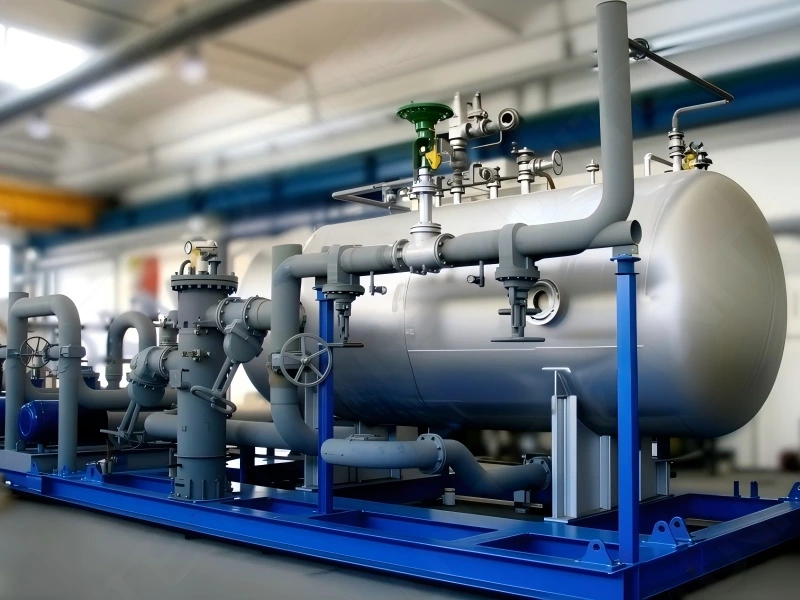
The system may also include circulation pumps, instrumentation, control valves, cleaning connections, and a skid-mounted structure where appropriate. The final configuration should be based on the operating duty rather than a standard layout alone.
Why a Cross-flow Filtration System Matters in Oil Refining
Oil-refining streams can contain catalyst fines, coke particles, corrosion products, rust, scale, salts, or process-derived solids. Depending on their source and properties, these contaminants can affect downstream equipment, transfer operations, separation performance, or product finishing steps.
A Cross-flow Filtration System may be considered when the process requires more than simple one-pass particle removal. Its continuous circulation principle can be especially relevant when solids must remain suspended rather than form a compact cake immediately on the filter surface.
Potential refinery applications include:
- Clarification of hydrocarbon process streams containing fine suspended solids.
- Catalyst-fine management in selected process or recovery loops.
- Filtration of circulating liquids where uninterrupted operation is important.
- Treatment of slurries or viscous streams that can foul conventional filters quickly.
- Recovery-oriented duties where the solids have value and require controlled concentration.
- Pretreatment before downstream separation, polishing, or equipment protection.
The suitability of cross-flow filtration depends on the actual process fluid. A refinery stream with low solids and a straightforward protection duty may be better served by a bag, cartridge, pipeline, or automatic backwash filter. Conversely, a stream with persistent fine solids and a need for stable, continuous separation may justify a more detailed cross-flow evaluation.
Cross-flow vs. Dead-End Filtration
| Consideration | Cross-flow filtration | Dead-end filtration |
|---|---|---|
| Feed direction | Flows parallel to the filtration surface | Flows directly toward and through the filtration medium |
| Solids behavior | Retained solids remain in the circulating stream | Solids accumulate on the filter surface |
| Typical operating mode | Often suited to continuous processing | Often suited to batch or simpler polishing duties |
| Fouling management | Tangential flow can reduce surface buildup | Cake buildup can occur more rapidly |
| Process complexity | Requires circulation and control of retentate | Usually has a simpler flow arrangement |
| Best-fit evaluation | Fine solids, challenging slurries, continuous duty | Lower-solids streams or applications where cake filtration is acceptable |
Neither approach is universally better. The decision should be based on the fluid’s solids loading, particle size distribution, viscosity, tendency to foul, desired filtrate quality, solids handling plan, and maintenance philosophy.
Key Design Considerations for Refinery Service
Feed composition and solids characteristics
Begin with representative process data. Engineers should understand not only total solids content, but also particle size distribution, particle hardness, shape, density, compressibility, and whether solids are sticky or prone to agglomeration.
For example, fine catalyst particles and soft organic solids may behave very differently under recirculation and pressure. A filtration medium that is suitable for one stream may foul quickly or wear prematurely in another. If the stream composition varies by feedstock, unit condition, or operating campaign, the selection process should account for that range.
Viscosity, temperature, and fluid stability
Viscosity influences pumping demand, shear conditions, pressure loss, and the behavior of retained solids. Temperature can change viscosity and may also affect seals, materials of construction, and the stability of the process fluid.
The design team should define normal, startup, upset, and cleaning conditions. This helps ensure the equipment is selected for actual operating reality rather than a single nominal point.
Filtration medium and materials of construction
The filtration medium must be compatible with the separation duty and process chemistry. Material selection should consider corrosion risk, temperature, pressure, cleaning chemicals, and potential exposure to sulfur compounds, chlorides, acids, or caustic solutions.
The filtration medium also influences cleanability and retained-solids behavior. Selection may involve metal-based elements or other appropriate media, depending on process requirements. Final material and filtration-medium selection should be confirmed through engineering review and, when needed, representative testing.
Flux, pressure, and cross-flow velocity
System performance is shaped by the relationship between transmembrane pressure, cross-flow velocity, fluid viscosity, and solids concentration. Increasing pressure does not always produce a proportional increase in useful filtrate flow. In some services, higher pressure can compact a deposited layer and reduce performance.
Likewise, higher cross-flow velocity can improve surface scouring, but it also increases circulation energy and may affect sensitive particles or emulsions. The objective is to identify a balanced operating window that supports the target separation without creating avoidable hydraulic or maintenance burdens.
Retentate management
A cross-flow system continuously concentrates retained solids. That concentrated stream must have a defined destination. It may be returned to the process, sent to recovery, routed to another separation stage, or discharged according to the refinery’s handling strategy.
This is a critical design question. A filtration system cannot be assessed only by filtrate quality; it must also integrate with the site’s solids recovery, recycle, storage, and disposal arrangements.
Practical Cross-flow Filtration Selection Checklist
Before specifying a system, align process, operations, and procurement stakeholders around the following points:
- Define the filtration objective: equipment protection, product clarification, catalyst recovery, or pre-separation.
- Characterize the feed under representative operating conditions.
- Identify expected variation in solids loading and fluid properties.
- Establish the required operating mode: continuous, campaign-based, batch, or standby.
- Determine whether retained solids are waste, recyclable material, or valuable product.
- Review the allowable pressure loss and available pump capacity.
- Confirm material compatibility with the process fluid and cleaning method.
- Define cleaning expectations, including whether online or offline cleaning is required.
- Plan controls and instrumentation for pressure, flow, temperature, and concentration monitoring.
- Evaluate installation constraints, including footprint, maintenance access, utilities, and integration with existing piping.
- Confirm that final equipment selection is based on process conditions and site-specific engineering.
Integration Into Refinery Operations
Successful installation requires more than connecting a filter skid to a process line. The system should be integrated with upstream and downstream equipment, operating procedures, and maintenance planning.
Upstream conditioning may be useful where large debris or highly variable solids loading could challenge the main filtration stage. Depending on the duty, a coarse protective filter or another pretreatment step can help stabilize the feed.
Downstream, the filtrate destination should be clearly defined. It may feed another process unit, a polishing stage, storage, or transfer equipment. The acceptable residual solids level and any downstream sensitivity should guide the required separation performance.
Automation also deserves early attention. Differential pressure, circulation flow, filtrate flow, temperature, and tank levels can all be relevant to stable operation. The appropriate control strategy depends on the process, but operators should have clear visibility into normal operation, deviations, cleaning needs, and retentate handling.
Common Evaluation Mistakes to Avoid
A common mistake is selecting a cross-flow system solely because a stream contains fine solids. Fine solids are important, but they are only one part of the decision. The system must also fit the required throughput, stream variability, solids destination, and cleaning approach.
Another mistake is treating filtrate flow as a fixed value. In real service, performance can change with feed conditions, solids concentration, temperature, and filtration-medium condition. Engineering evaluation should consider expected operating ranges rather than a single ideal data point.
Finally, avoid separating filtration selection from the overall refinery process. A well-designed system supports the surrounding operation; it does not create a new bottleneck in pumping, solids handling, maintenance, or control.
Conclusion
A Cross-flow Filtration System offers a distinct approach to refinery solid-liquid separation by combining tangential flow with continuous filtration. It can be a strong candidate for fine-solid, slurry, catalyst-related, or continuous-duty applications where conventional dead-end filtration may face rapid surface buildup.
The right solution depends on the fluid, solids, operating conditions, materials, cleaning requirements, and retentate plan. For projects requiring standard or customized filtration and separation equipment, UNITE Filtration can help evaluate the process basis and identify an appropriate system configuration.
FAQ
What is a Cross-flow Filtration System?
It is a filtration system in which feed flows parallel to the filter surface, while part of the liquid passes through as filtrate and retained solids remain in the circulating stream.
Is cross-flow filtration suitable for oil refining?
It can be suitable for selected refinery streams containing fine solids, slurries, or catalyst-related particles. Final suitability depends on process conditions and separation objectives.
How is cross-flow filtration different from dead-end filtration?
Cross-flow filtration keeps most feed moving along the filter surface, which can reduce surface buildup. Dead-end filtration directs all feed through the medium, allowing a filter cake to form more directly.
What information is needed to select a system?
Key inputs include fluid composition, solids characteristics, viscosity, temperature, required operating mode, filtration objective, materials compatibility, and retentate handling requirements.