Industrial Filter Selection Guide: Optimizing Performance & Cost for Global Operations
TL;DR: Selecting the optimal industrial filter is a critical decision impacting equipment longevity, product quality, and operational efficiency. This comprehensive guide delves into key selection parameters, compares various filter types including Backwash Filters, Self-Cleaning Filters, and Candle Filters, provides a decision matrix, analyzes Total Cost of Ownership (TCO), and highlights common pitfalls. Tailored for international industrial clients, it aims to empower informed choices for diverse applications, from process water treatment to chemical manufacturing and beyond.
1. Understanding Industrial Filtration: A Global Perspective
Industrial filters are indispensable components in fluid handling systems across various sectors, including manufacturing, chemical processing, oil & gas, pharmaceuticals, and water treatment. Their primary function is to remove solid particles and impurities from liquids or gases, safeguarding downstream equipment, enhancing product purity, and ensuring compliance with environmental regulations. Given the vast array of applications and filtration principles, a systematic approach to filter selection is paramount for achieving efficient and reliable solid-liquid or solid-gas separation.
2. Key Parameters for Industrial Filter Selection
An effective industrial filter selection process necessitates a thorough evaluation of several critical parameters:
2.1 Fluid Characteristics
•Fluid Type: Whether filtering liquids (e.g., water, oils, chemicals, slurries) or gases (e.g., air, steam, process gases), the medium's nature dictates specific filter requirements.
•Viscosity: High-viscosity fluids often demand larger filtration areas or lower flow rates to prevent excessive pressure drop and ensure efficient filtration.
•Corrosivity: The chemical composition of the fluid is crucial for selecting compatible materials for the filter housing and media (e.g., stainless steel, PP, PVDF).
•Temperature & Pressure: Operating temperature and pressure must remain within the filter's design limits to guarantee safe operation and optimal performance.
2.2 Filtration Efficiency (Micron Rating)
Filtration efficiency, commonly expressed in microns (µm), quantifies the filter's ability to remove particles of a certain size. Key considerations include:
•Minimum Particle Size to Remove: Determined by the protection requirements of downstream equipment or product quality standards.
•Absolute vs. Nominal Filtration: Absolute filtration refers to the ability to remove virtually all particles larger than a specified size, while nominal filtration indicates the removal of a majority (e.g., 90% or 98%) of particles above a certain size.
2.3 Flow Rate & Pressure Drop
•Rated Flow Rate: The maximum fluid volume a filter can process at a given pressure drop. It is advisable to select a filter with a sufficient safety margin.
•Allowable Pressure Drop: The pressure differential between the inlet and outlet of the filter. Excessive pressure drop can lead to increased energy consumption and reduced system efficiency.
2.4 Contaminant Load & Nature
•Contaminant Concentration: High impurity levels necessitate filters with larger dirt-holding capacities or self-cleaning mechanisms.
•Particle Shape & Hardness: Soft, sticky particles may clog filter media, while hard particles can cause abrasive wear.
2.5 Operational Mode & Maintenance
•Continuous vs. Batch Operation: Continuous processes often require duplex filters or automated self-cleaning solutions to avoid downtime during cleaning or media replacement.
•Maintenance Frequency & Method: Manual cleaning, automatic cleaning (backwashing, scraping), or filter element replacement directly impacts operational costs and labor requirements.
3. Overview of Common Industrial Filter Types
| Filter Type | Working Principle | Advantages | Disadvantages | Typical Applications |
| Basket Strainer | Fluid passes through a removable basket, trapping solids. | Simple design, low cost, easy to clean large debris. | Manual cleaning, requires process shutdown or bypass. | Protecting pumps, valves; removing large particles. |
| Y-Strainer | Y-shaped body with a screen to capture particles. | Compact, easy to install, low cost. | Limited dirt-holding capacity, inconvenient cleaning, requires shutdown. | Pipeline protection, small flow systems. |
| Bag Filter | Fluid flows through a filter bag, trapping particles. | High dirt-holding capacity, easy bag replacement, relatively low cost. | Bags are consumables, require regular replacement, generate waste. | High flow rates, high contaminant loads (e.g., water treatment, paints, inks). |
| Cartridge Filter | Fluid passes through a precision filter cartridge, trapping particles. | High filtration efficiency (sub-micron capable), easy replacement. | Cartridges are consumables, higher cost, relatively lower dirt-holding capacity. | Fine filtration (e.g., electronics, pharmaceuticals, F&B, RO pre-treatment). |
| Self-Cleaning Filter | Automated mechanism (brush, scraper, backwash, or suction scanner) continuously cleans the filter screen without process interruption. | Continuous operation, high automation, labor-saving, high dirt-holding capacity. | Higher initial investment, complex structure, requires power. | High contaminant loads, continuous production, unmanned sites. |
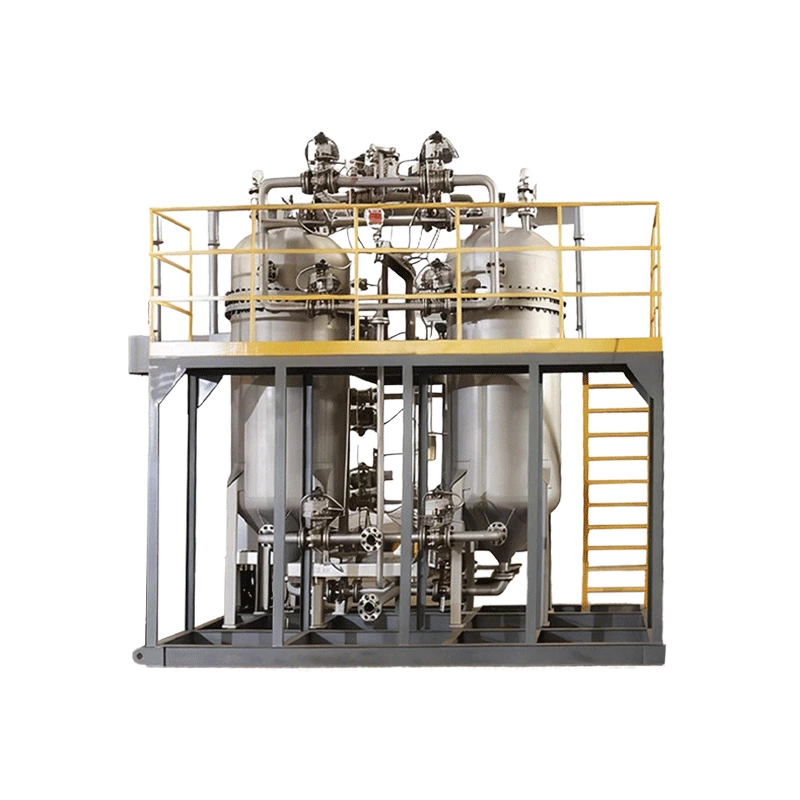
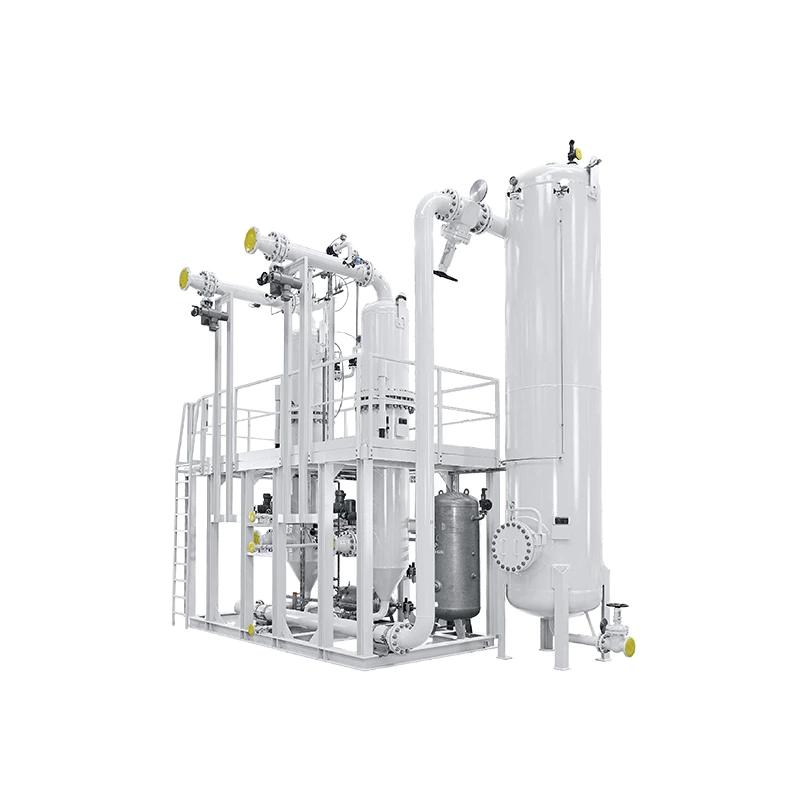
| Backwash Filter | A type of self-cleaning filter that reverses fluid flow through the filter media to dislodge trapped particles, which are then flushed away. | Automated cleaning, continuous operation, effective for removing accumulated solids. | Requires a clean backwash fluid source, may consume process fluid during backwash. | Water treatment, cooling systems, pre-filtration for fine filters. |
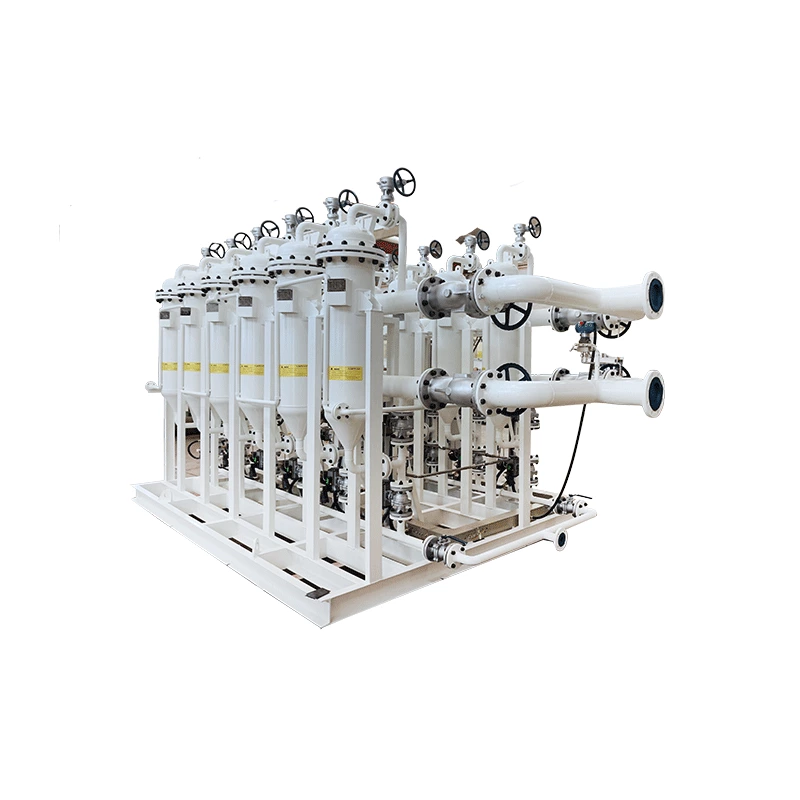
| Candle Filter | Utilizes multiple cylindrical filter elements (candles) arranged vertically or horizontally within a vessel, offering large filtration area in a compact design. | High filtration area, excellent for fine filtration, high pressure/temperature applications, often used for cake filtration. | Complex cleaning (often backwash or mechanical), higher initial cost, element replacement can be intricate. | Chemical, pharmaceutical, food & beverage, catalyst recovery, high-purity applications. |
| Sand Filter | Utilizes a sand bed as media for deep filtration to remove suspended solids. | Low cost, high flow rates, backwashable for regeneration. | Relatively lower filtration efficiency, large footprint. | Water treatment pre-filtration, removal of large suspended solids. |
| Activated Carbon Filter | Adsorbs organic compounds, odors, and chlorine using activated carbon media. | Effective for odor, color, and chlorine removal. | Carbon requires periodic replacement or regeneration, does not remove particulates. | Water treatment for dechlorination, decolorization, odor removal. |
4. Industrial Filter Selection Decision Matrix
This simplified decision matrix helps in quickly identifying suitable filter types based on primary application requirements:
| Requirement/Scenario | Recommended Filter Type(s) | Notes |
| Protecting Pumps, Valves, & Equipment | Basket Strainer, Y-Strainer | Primarily for removing large debris to prevent damage. |
| High-Precision Filtration (Sub-micron) | Cartridge Filter, Candle Filter | Essential for applications demanding high product purity. |
| High Flow Rates & Heavy Contaminant Loads | Bag Filter, Self-Cleaning Filter, Backwash Filter, Sand Filter | Consider dirt-holding capacity and maintenance frequency. |
| Continuous Operation, Zero Downtime | Self-Cleaning Filter, Backwash Filter, Duplex Filters (Basket/Bag) | Ensures uninterrupted production processes. |
| Low Operating Cost, Manual Maintenance Acceptable | Basket Strainer, Y-Strainer | Suitable for low contaminant loads and infrequent maintenance. |
| Odor, Color, Organic Compound Removal | Activated Carbon Filter | Typically used as a post-treatment stage in water purification. |
| Remote or Unmanned Installations | Self-Cleaning Filter, Backwash Filter | High automation reduces on-site maintenance needs. |
| Budget-Constrained Projects | Basket Strainer, Y-Strainer, Sand Filter | Lower initial capital investment. |
| High Temperature/Pressure, Cake Filtration | Candle Filter | Ideal for demanding process conditions and efficient solids recovery. |
5. Total Cost of Ownership (TCO) for Industrial Filters
Beyond the initial purchase price, a holistic TCO analysis is crucial for long-term economic viability. Key TCO components include:
•Capital Cost: The upfront expense of the filter equipment itself.
•Installation Cost: Costs associated with piping, valves, control systems, and labor.
•Operating Cost: Energy consumption (for self-cleaning and backwash filters), water usage (for backwashing), and increased pumping energy due to pressure drop.
•Maintenance Cost: Expenses for filter media/bag/candle replacement, manual cleaning labor, and spare parts.
•Downtime Cost: Production losses incurred due to filter maintenance or unexpected failures.
•Disposal Cost: Expenses for the proper disposal of spent filter media or bags.
Case Study Insight: For high-contaminant, continuous operations, automated filters like self-cleaning and backwash filters, despite their higher initial investment, can significantly reduce labor, downtime, and consumable costs over their lifespan, often resulting in a lower TCO compared to traditional manual filters. Candle filters, while having higher initial and element replacement costs, offer superior performance in specific high-value applications where their precision and operational continuity justify the investment.
6. Common Industrial Filter Selection Mistakes & Best Practices
•Over-Filtration: Opting for excessively high filtration efficiency can lead to increased capital costs, higher operating pressure drops, and more frequent maintenance. Match filtration requirements precisely to actual needs.
•Ignoring Fluid Compatibility: Incompatible filter media or housing materials can result in corrosion, leaks, or premature filter failure. Always verify chemical compatibility.
•Focusing Solely on Initial Cost: Neglecting operational, maintenance, and downtime costs can lead to significantly higher long-term expenses.
•Failing to Anticipate Future Changes: Not accounting for potential shifts in fluid characteristics, contaminant loads, or flow rates can render a filter inadequate in the future.
•Inadequate Installation Space: Especially for larger filters or those requiring frequent maintenance (e.g., manual cleaning, candle filter element access), ensure sufficient space for installation, operation, and servicing.
•Neglecting Professional Consultation: For complex or unique applications, always consult with filter suppliers or experienced engineers to leverage their expertise.
7. Conclusion: Making Informed Filtration Decisions
Industrial filter selection is a multifaceted engineering task that demands careful consideration of process requirements, fluid characteristics, economic factors, and ease of maintenance. By systematically evaluating these parameters and understanding the nuances of different filter types, including advanced solutions like backwash, self-cleaning, and candle filters, industrial operators can make informed decisions that ensure stable production, consistent product quality, and optimized operational costs. Partnering with knowledgeable suppliers and leveraging their application expertise can further streamline this critical selection process.
References
[1] In-depth Analysis of the Working Principle of Backwash Filter.
[2] Self-cleaning filters | Industrial filtration equipment.
[3] Candle Filter Types: A Comprehensive Guide to Industrial Filtration Systems.