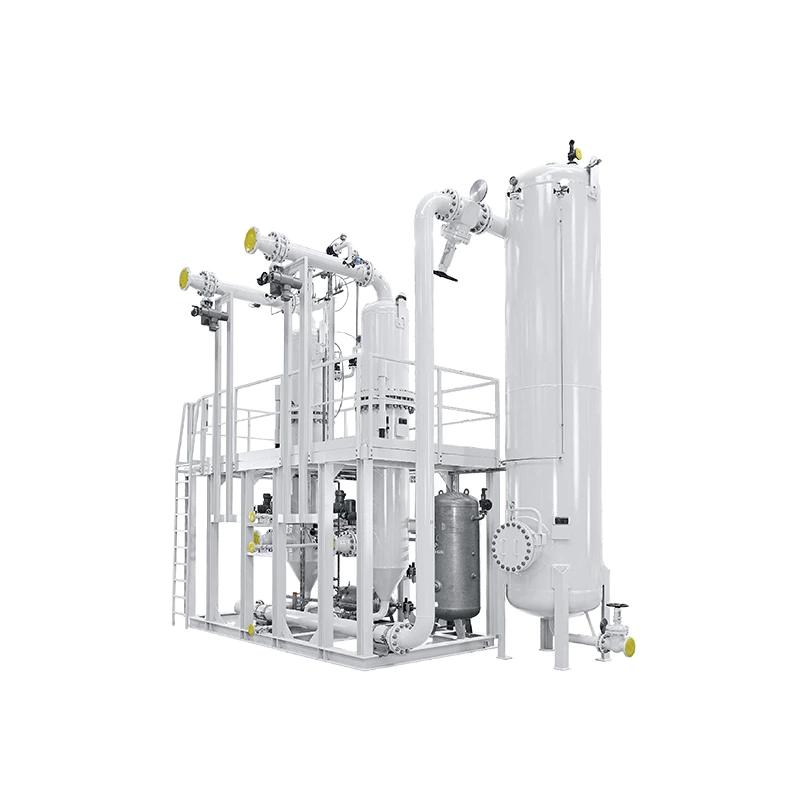
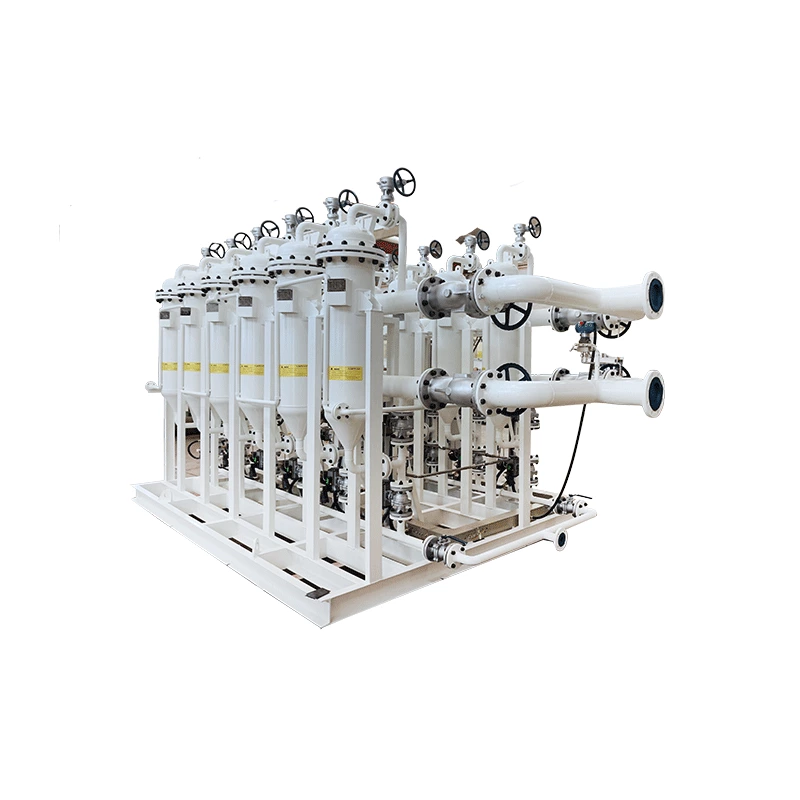
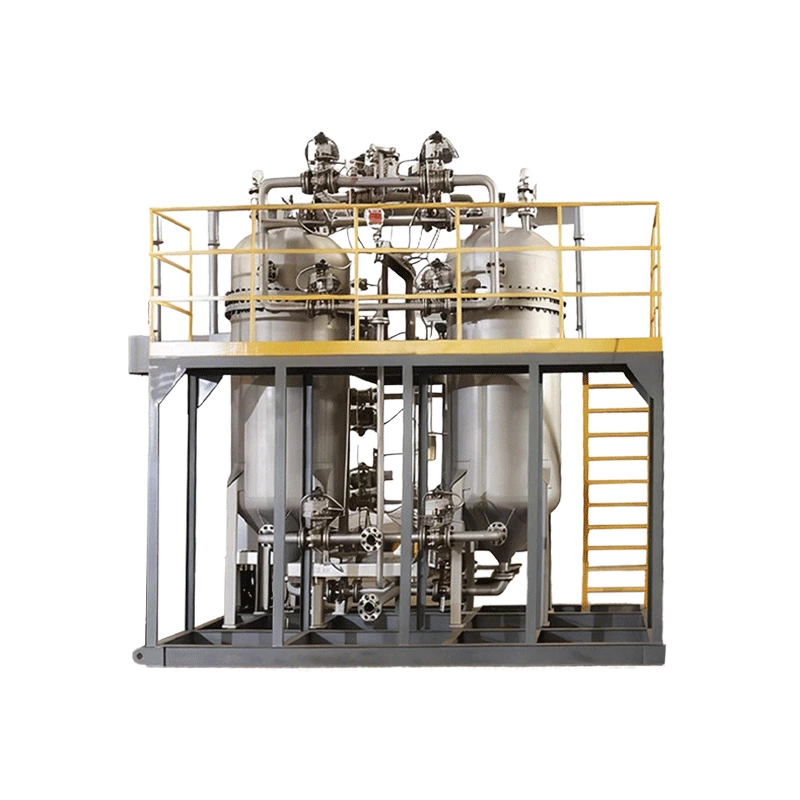
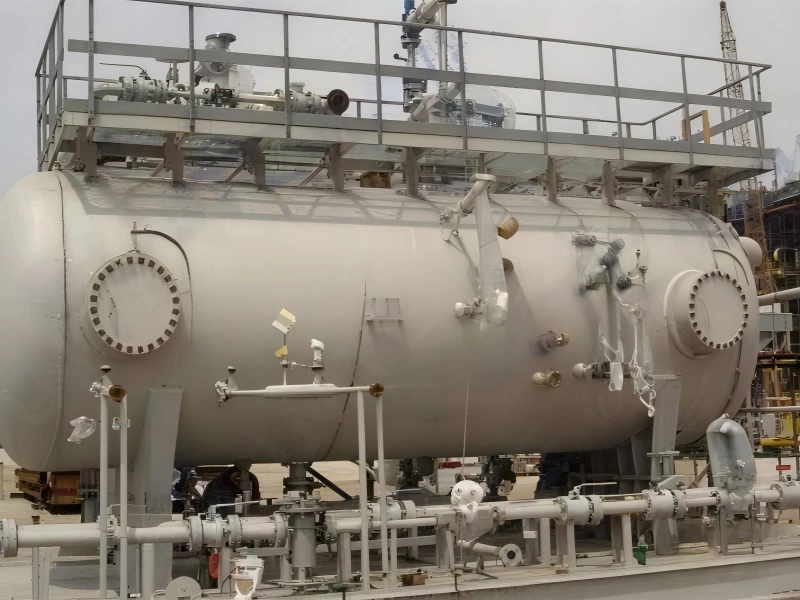
Gas-solid Separation System: Working Principle, Types, Applications & Selection Guide
In many industrial processes, gas streams contain unwanted solid particles such as dust, catalyst fines, metal particles, combustion residues, and process contaminants. These particles can affect equipment performance, reduce product quality, increase maintenance requirements, and cause operational problems in downstream systems.
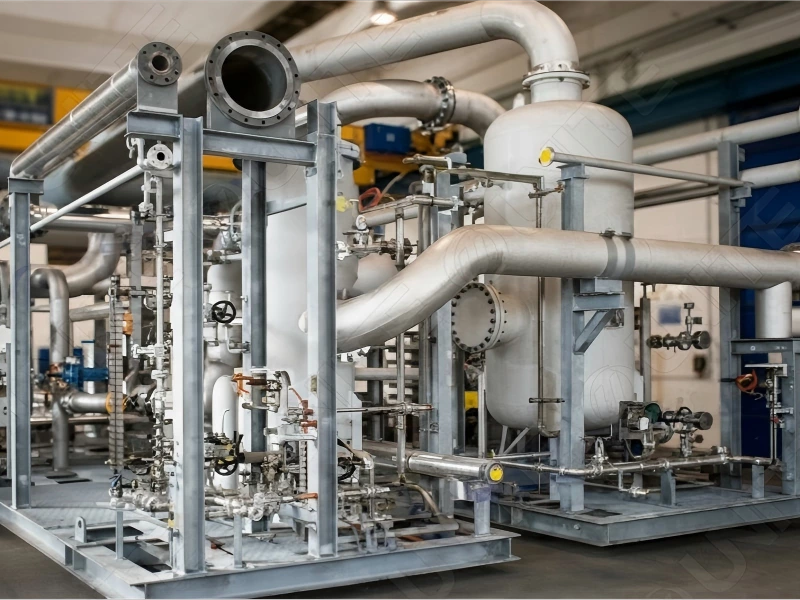
A gas-solid separation system is designed to efficiently remove solid particles from gas streams through mechanisms such as filtration, centrifugal separation, inertial separation, or a combination of multiple separation technologies.
Gas-solid separation systems are widely used in industries including oil refining, chemical processing, natural gas treatment, power generation, industrial gases, and new energy applications.
Selecting the right gas-solid separation solution requires understanding the gas properties, particle characteristics, operating conditions, and required separation efficiency.
This article explains the working principle, major types, applications, and key selection factors of industrial gas-solid separation systems.
What Is a Gas-solid Separation System?
A gas-solid separation system is an industrial equipment solution used to remove solid contaminants from a gas stream.
During industrial processes, gases often carry solid particles generated from:
- Raw materials
- Chemical reactions
- Catalyst circulation
- Combustion processes
- Mechanical wear
- Corrosion products
Without effective separation, these particles may cause:
- Equipment erosion
- Pipeline blockage
- Valve damage
- Compressor fouling
- Reduced process efficiency
A gas-solid separation system helps protect downstream equipment and maintain stable process operation.
For complete industrial gas filtration solutions, see UNITE's Gas Filtration and Separation Series.
How Does a Gas-solid Separation System Work?
The working principle depends on the separation technology used. Most industrial gas-solid separation systems combine one or more of the following mechanisms.
1. Inertial Separation
Inertial separation uses the difference in momentum between gas molecules and solid particles.
When the gas flow direction changes, heavier solid particles cannot follow the gas stream immediately due to their higher inertia.
As a result:
- Solid particles separate from the gas flow
- Particles move toward a collection area
- Cleaner gas exits the separator
This method is commonly used for removing larger particles.
2. Centrifugal Separation
Centrifugal separation creates rotational gas flow.
The centrifugal force pushes solid particles toward the outer wall of the separator, where they are collected and removed.
Advantages include:
- No filter element required in some designs
- Low maintenance requirements
- Continuous operation capability
For applications requiring centrifugal gas-solid separation, a Cyclonic Filter Separator can provide an effective separation solution.
3. Filtration Separation
Filtration-based gas-solid separation uses filter elements to capture fine particles from gas streams.
The filtration process includes:
- Gas enters the filter housing
- Gas passes through filter media
- Solid particles are retained
- Clean gas exits the equipment
Filtration separation is suitable when high particle removal efficiency is required.
Related solutions include:
Types of Gas-solid Separation Systems
Different industrial processes require different separation technologies.
1. Cyclonic Gas-solid Separator
A cyclonic separator uses centrifugal force to separate solid particles from gas streams.
It is commonly applied for:
- Dust removal
- Catalyst particle separation
- Pre-filtration
- High-temperature gas applications
Advantages:
- Simple structure
- Low maintenance
- Continuous operation
- No moving parts
However, separation efficiency depends on particle size, gas velocity, and equipment design.
2. Gas Filter Separator
A gas filter separator combines filtration and separation functions.
It is designed to remove:
- Solid particles
- Dust
- Rust particles
- Mechanical impurities
Gas filter separators are commonly used in:
- Natural gas processing
- Pipeline protection
- Industrial gas purification
Learn more about Gas Filter Separator.
3. Dry Gas Filter
A dry gas filter is designed specifically for removing solid contaminants from dry gas streams.
Typical applications include:
- Natural gas filtration
- Fuel gas treatment
- Process gas purification
A properly selected dry gas filter can help protect:
- Gas turbines
- Compressors
- Control valves
- Downstream process equipment
4. Multi-stage Gas-solid Separation System
For demanding applications, multiple separation technologies may be combined.
A typical process may include:
Pre-separation → Filtration → Fine purification
For example:
- Cyclonic separator removes larger particles
- Gas filter removes finer contaminants
- Final filtration protects sensitive equipment
This approach improves overall separation performance while extending filter element service life.
Industrial Applications of Gas-solid Separation Systems
1. Oil Refining Industry
Refineries often involve gas streams containing:
- Catalyst particles
- Process residues
- Mechanical impurities
Gas-solid separation systems help protect downstream equipment and maintain process stability.
Applications include:
- FCC units
- Process gas treatment
- Catalyst recovery
2. Chemical Processing
Chemical plants require clean gas streams to protect:
- Reactors
- Compressors
- Heat exchangers
- Instrumentation systems
Gas-solid separation is used for removing particles generated during chemical reactions and material handling.
3. Natural Gas Processing
Natural gas streams may contain:
- Sand particles
- Pipeline debris
- Corrosion products
Gas-solid separation systems help improve gas quality and protect transportation and processing equipment.
4. Power Generation
Power plants may require gas filtration and separation for:
- Fuel gas systems
- Combustion air systems
- Equipment protection
Removing solid contaminants helps improve reliability and reduce maintenance.
5. Industrial Gas Applications
Industrial gases require effective purification before use in sensitive processes.
Gas-solid separation systems can be applied in:
- Gas production
- Gas distribution
- Manufacturing processes
Gas-solid Separation System Selection Guide
Choosing the correct system requires evaluating several important parameters.
1. Gas Composition
The gas composition affects material selection and separation performance.
Important information includes:
- Gas type
- Chemical composition
- Moisture content
- Corrosive components
2. Particle Characteristics
Solid contaminants should be analyzed based on:
- Particle size
- Particle concentration
- Density
- Particle shape
- Abrasiveness
Larger particles may be removed effectively by centrifugal separation, while fine particles may require filtration.
3. Operating Conditions
Key operating parameters include:
- Gas flow rate
- Operating pressure
- Temperature
- Pressure fluctuation
High-temperature or high-pressure applications require appropriate equipment design.
4. Required Separation Efficiency
Different applications require different levels of particle removal.
Consider:
- Required outlet gas cleanliness
- Downstream equipment sensitivity
- Process quality requirements
5. Maintenance Requirements
Engineers should evaluate:
- Filter replacement frequency
- Cleaning method
- Pressure drop increase
- Maintenance accessibility
A suitable system should balance separation performance and operating cost.
Gas-solid Separation System vs Gas-liquid Separation System
Although both technologies separate contaminants from gas streams, their separation targets are different.
| Feature | Gas-solid Separation System | Gas-liquid Separation System |
|---|---|---|
| Main target | Solid particles | Liquid droplets |
| Typical contaminants | Dust, catalyst fines, rust particles | Oil mist, water droplets, liquid aerosols |
| Main technologies | Filtration, cyclone, inertial separation | Coalescence, vane separation, gravity separation |
| Applications | Gas purification and particle removal | Gas dehydration and liquid removal |
For gas-liquid separation applications, see:
Gas-Liquid Separator vs Coalescing Filter
Frequently Asked Questions
What is a gas-solid separation system?
A gas-solid separation system is industrial equipment designed to remove solid particles from gas streams using filtration, centrifugal separation, or inertial separation technologies.
What industries use gas-solid separation systems?
They are widely used in oil refining, chemical processing, natural gas, power generation, industrial gases, and manufacturing industries.
What is the difference between a cyclone separator and a gas filter?
A cyclone separator mainly uses centrifugal force to remove particles, while a gas filter uses filtration media to capture finer particles.
How do I select a gas-solid separator?
Selection depends on:
- Gas flow rate
- Particle size
- Solid concentration
- Operating pressure
- Temperature
- Required separation efficiency
Can a gas-solid separation system remove fine particles?
Yes. The achievable removal efficiency depends on the separation technology, filter media, particle characteristics, and operating conditions.
Conclusion
A reliable gas-solid separation system plays an important role in protecting industrial equipment, improving process reliability, and maintaining gas quality.
The optimal solution depends on the characteristics of the gas stream, particle properties, operating conditions, and required separation performance.
For industrial applications requiring effective solid particle removal from gas streams, UNITE provides customized gas filtration and separation solutions, including gas filters, cyclonic separators, and complete filtration systems.
Explore UNITE's Gas Filtration and Separation Series to learn more about industrial gas separation technologies.