AVIC Project: Aviation Fuel Transfer and High-Precision Coalescing Separation System
Project Background: Protecting Aviation Fuel Quality during Storage and Transfer
As a core pillar of China’s aviation industry, AVIC maintains stringent quality and reliability requirements for ground-support systems and engine-testing equipment. During storage and transfer, aviation fuel such as RP-3 can absorb moisture from the air and collect fine contaminants, including rust particles introduced by piping and equipment.
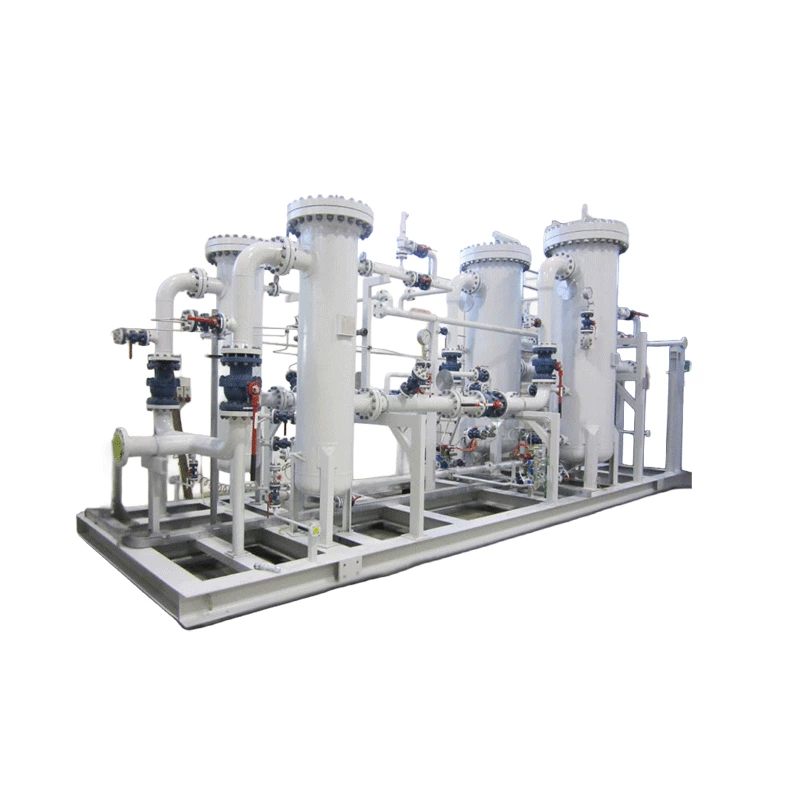
For modern precision aero-engines, even trace amounts of water or solid impurities can contribute to injector fouling, fuel-pump wear, and unstable fuel-system operation. In severe cases, contaminated fuel may create significant flight-safety risks. To address these challenges, AVIC introduced UNITE’s customized high-precision filtration and coalescing-separation technology at its fuel-transfer stations.
The application is closely related to UNITE’s oil-refining and petroleum-product filtration solutions, which identify free or emulsified water and fine particulate contamination as critical concerns in refined petroleum products—particularly aviation kerosene. Coalescing separation and precision filtration help protect downstream equipment and support stringent fuel-cleanliness requirements.
Core Challenges
1. High-Precision Water Removal
The system needed to remove both free water and emulsified water to achieve a fuel-water content below 15 ppm, helping prevent water-related icing in low-temperature, high-altitude environments.
2. Micron-Level Particulate Retention
The filtration system had to stably intercept fine solid contaminants larger than approximately 1–3 μm, supporting a fuel-cleanliness target of NAS Class 5 or better according to the project requirements.
3. Strict Explosion-Proof Requirements
Jet fuel is highly flammable. The filtration equipment, electrical instruments, drainage components, and monitoring system therefore had to be designed for demanding explosion-proof operating conditions and safe handling of aviation fuel.
4. High-Pressure and High-Flow Operation
During rapid refueling and high-flow transfer, the system needed to withstand pressure pulsations while maintaining low operating resistance. This was essential for preserving delivery efficiency and preventing filtration from becoming a bottleneck in the fuel-transfer process.
Customized Solution: Integrated Aviation-Fuel Purification System
1. Two-Stage Coalescing Separation for Water Removal
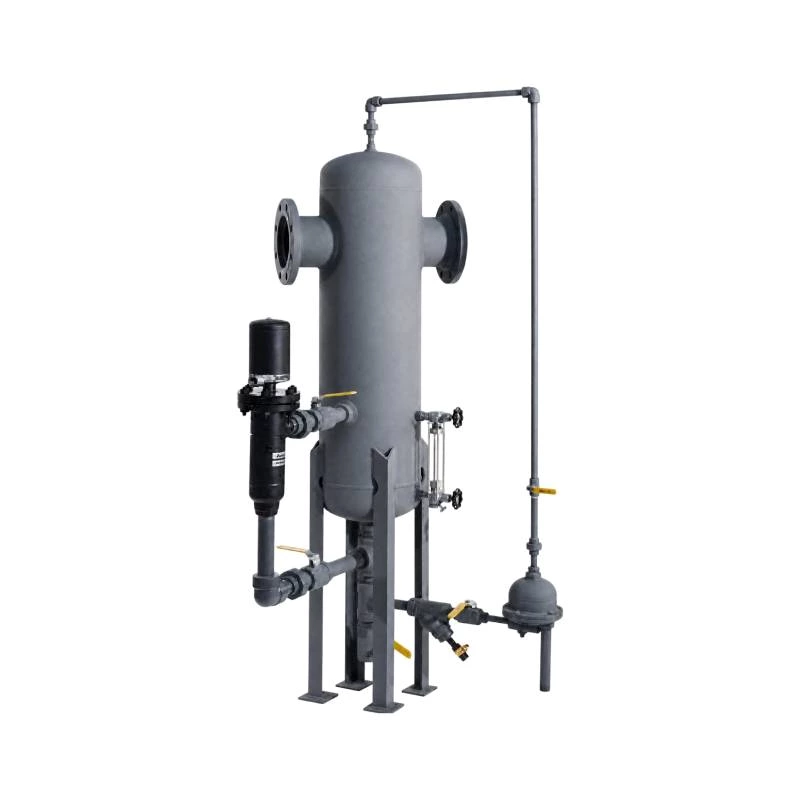
UNITE designed a two-stage coalescing and separation arrangement using high-efficiency coalescer and separator elements.
In the first stage, microscopic water droplets collide with the coalescing media and merge into larger droplets that can settle and be drained. In the second stage, hydrophobic separation elements help prevent residual water from passing through with the fuel, supporting the production of dry fuel at the outlet.
This operating principle is consistent with the technology described in UNITE’s Coalescence-Separation Series, which uses specialized media and separation mechanisms to remove liquid contaminants and protect sensitive downstream equipment. Although the product category is commonly used in gas and petroleum-processing applications, the final equipment configuration must always be selected and validated for the specific aviation-fuel service.
2. Multi-Layer High-Precision Filter Elements
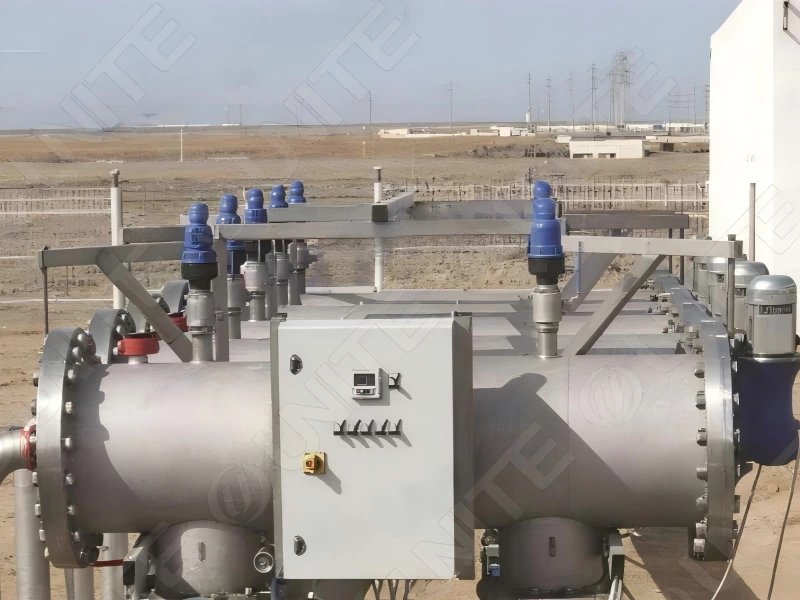
The system uses aviation-grade specialty filter media with high Beta ratios and strong dirt-holding capacity. The multi-layer element configuration is designed to capture fine dust, pipe-rust particles, and metal debris while maintaining stable flow performance.
This precision particulate-removal stage complements the water-separation process: the coalescing section targets water contamination, while the high-precision filter elements retain solid contaminants that could otherwise reach fuel injectors, pumps, or engine-testing equipment.
For related filtration technologies, see UNITE’s Fuel Gas Filter and Dry Gas Filter product pages. The final filter media, filtration rating, pressure drop, and element configuration for aviation fuel should be confirmed through application-specific engineering review and testing.
3. Explosion-Proof Monitoring and Automatic Drainage
To support safe fuel handling, the system is equipped with explosion-proof differential-pressure gauges and automatic drainage valves. Differential pressure monitoring provides an indication of element loading and helps operators identify when maintenance or element replacement may be required.
The system also integrates high-precision online water monitoring to provide real-time feedback on fuel quality. If water content or another monitored condition exceeds the configured limit, the control system can initiate protective actions such as automatic shutoff or bypass operation, subject to the approved control philosophy and site safety procedures.
4. Clean SS316L Wetted Construction
To reduce the risk of secondary contamination, the vessel internals undergo precision polishing and degreasing. Product-contact surfaces use SS316L stainless steel, supporting a clean fuel path and reliable operation in a demanding transfer environment.
The equipment design was developed to comply with the project’s stated API 1581 aviation-fuel filtration requirements. Applicable standards, certifications, hazardous-area classifications, materials, and inspection documentation should be confirmed for the final project configuration and installation location.
Customer Value and Project Results
Since the integrated fuel-transfer filtration system was commissioned at the AVIC testing base, it has delivered the following reported benefits:
•Consistent fuel quality: Fuel quality remained above the applicable international civil and military aviation standards stated in the project brief;
•Improved engine-testing reliability: The failure rate of fuel systems during engine testing was significantly reduced, supporting the accuracy and safety of research and development testing;
•Reduced risk from water and particulate contamination: The combined coalescing-separation and precision-filtration stages helped protect fuel injectors, pumps, and other sensitive components;
•Lower filter-element replacement frequency: Stable long-term operation reduced the replacement frequency of high-value filter elements;
•High customer recognition: The system’s reliability and integrated design received strong positive feedback from the customer;
•Advanced aerospace fluid-control capability: The project demonstrated UNITE’s ability to integrate filtration, separation, monitoring, drainage, and safety functions for high-end aerospace fluid applications.
The results above are specific to the AVIC fuel-transfer application. Actual fuel cleanliness, water-removal performance, pressure drop, element life, and safety performance depend on fuel type, flow rate, contaminant loading, temperature, piping design, hazardous-area requirements, operating procedures, and the final system configuration.
Conclusion
Aviation-fuel transfer systems require more than basic particulate filtration. They must control water contamination, capture micron-scale solids, maintain low pressure loss at high flow, and operate safely in a highly flammable environment.
The AVIC project combines two-stage coalescing separation with multi-layer precision filtration, explosion-proof monitoring, automatic drainage, online water-quality feedback, and clean SS316L construction. By integrating these functions into one customized fuel-purification system, UNITE helped AVIC improve fuel-system reliability and create more stable conditions for precision aero-engine testing.
If your application involves aviation fuel, refined petroleum products, fuel-transfer stations, engine testing, water removal, particulate control, or high-flow filtration, contact the UNITE engineering team to discuss a solution based on your fuel properties, operating data, cleanliness targets, and applicable standards.
Related Pages
•Oil-Refining Filtration Solutions
•Coalescence-Separation Series