CIMC Raffles Project: High-Efficiency Hydrocyclone Desanding System for Offshore Platforms
Project Background: Protecting Offshore Fluid Systems from Sand Erosion
CIMC Raffles, formerly known as Yantai Raffles, is a leading integrator of offshore engineering equipment. Across multiple deep-water jack-up and semi-submersible drilling-rig projects, the company faced severe sand-abrasion challenges in mud-circulation and seawater-treatment systems.
Fluids extracted from the seabed can contain substantial quantities of hard sand particles. If these solids are not removed efficiently, high-velocity flow may accelerate wear in high-pressure mud pumps, submersible pumps, valves, and sealing components. The resulting maintenance requirements can increase spare-part consumption, extend downtime, and affect the stability of long drilling cycles.
The project was therefore designed around a high-efficiency hydrocyclone desanding system, customized for offshore operating conditions and integrated into the drilling-rig process layout.
Core Challenges
1. Severe Erosive Wear from High-Velocity Sand Particles
Sand particles entering the system at high velocity can produce cutting and erosive wear on cyclone walls, liners, valves, and other internal components. The desander therefore required high-hardness materials and a wear-resistant internal design capable of supporting long-term service.
2. Corrosion in a Salt-Spray Marine Environment
Offshore equipment is exposed to high humidity, salt spray, vibration, and changing weather conditions. The desanding system needed strong resistance to electrochemical corrosion as well as a vessel and external protection system suitable for the marine environment.
3. Limited Deck Space and Modular Installation Requirements
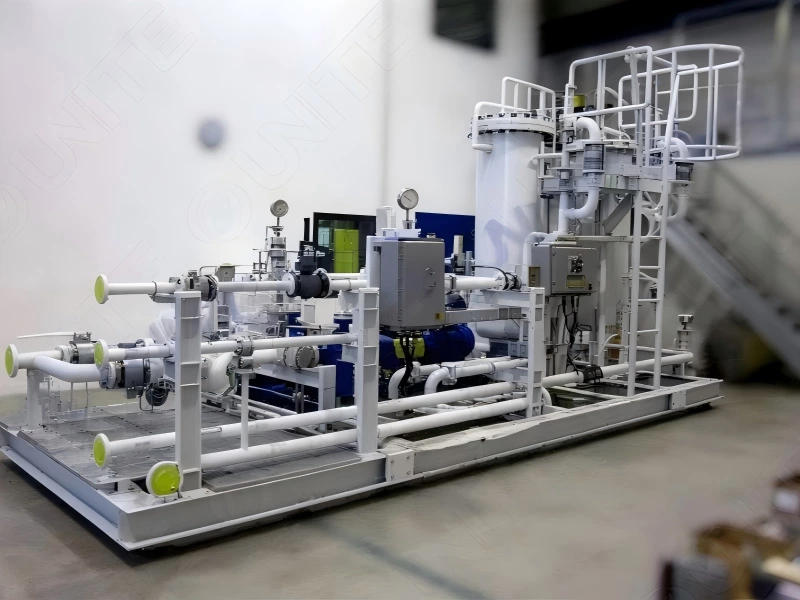
Deck space on drilling rigs is highly constrained. The equipment needed to deliver the required throughput within a compact footprint while allowing practical integration with existing piping, valves, instruments, and maintenance access.
4. Stable 24/7 Operation and Online Sand Discharge
Long drilling cycles and the high cost of offshore intervention require reliable continuous operation. Sand removal had to be performed online, without interrupting the main process flow or compromising circulation stability.
Customized Solution: Integrated Wear-Resistant Hydrocyclone Desanding
1. High-Hardness, Wear-Resistant Cyclone Internals
The hydrocyclone liners use high-purity alumina ceramic, silicon carbide, or specialty wear-resistant polyurethane, depending on the process conditions and material-selection requirements. These materials are designed to withstand the impact and sliding abrasion associated with high-solid loading and high-velocity flow.
According to the project information, the selected wear-resistant materials can provide a service life approximately 5–10 times longer than ordinary stainless-steel components in the relevant application. This figure is project-specific and depends on particle hardness, concentration, flow velocity, pressure, temperature, liner geometry, and maintenance practices.
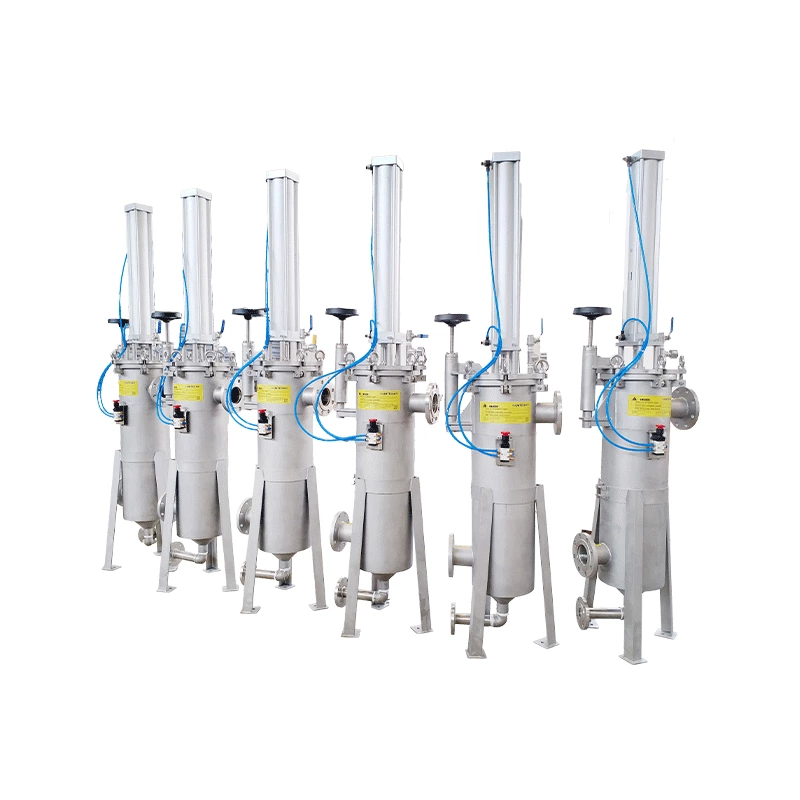
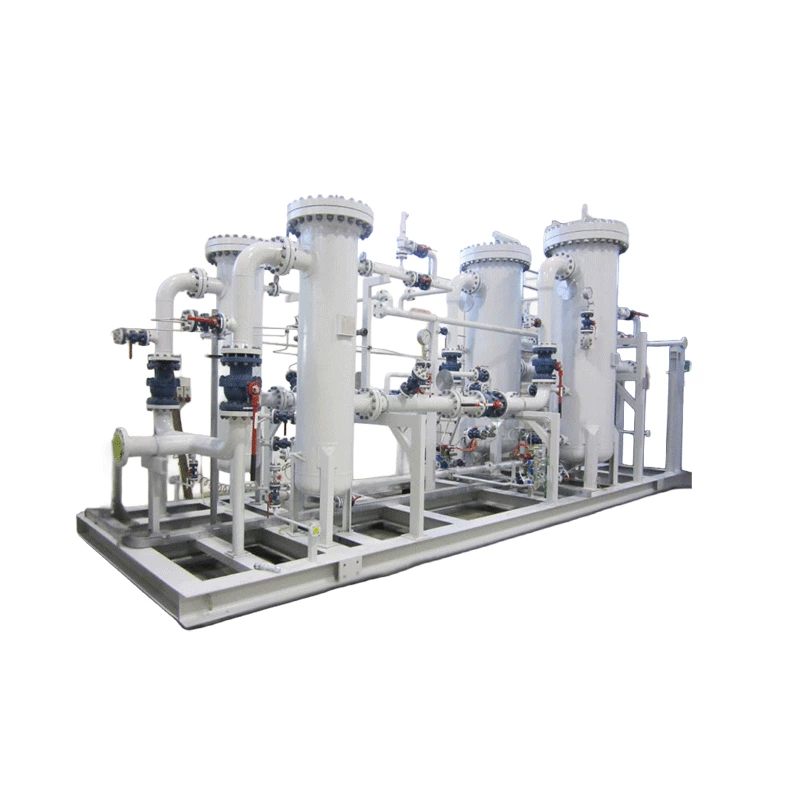
The solution reflects UNITE’s focus on filtration and separation equipment for high-load and demanding industrial environments. For broader information about integrated systems, see UNITE’s filtration and separation skid-mounted systems.
2. Corrosion-Resistant Vessel and Marine Protection
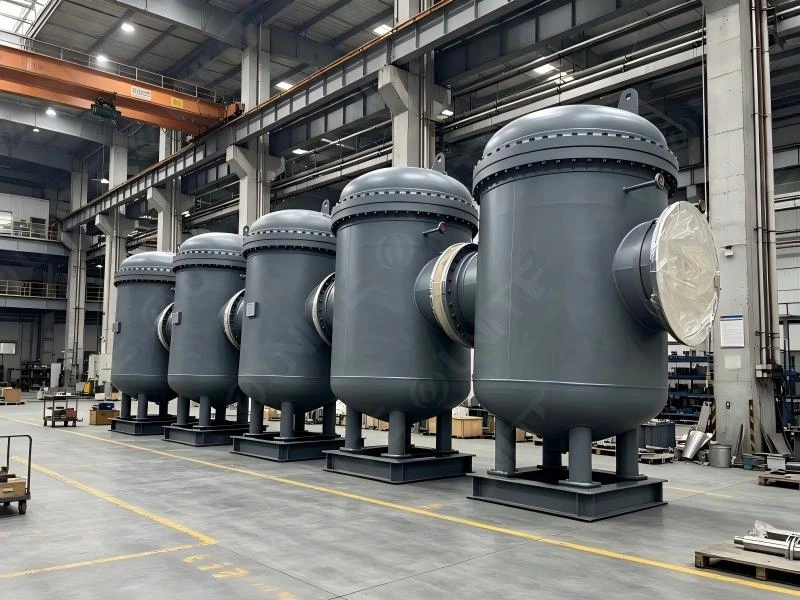
The main vessel is constructed from SS316L or duplex stainless steel, selected according to the required corrosion resistance, pressure rating, and process-medium compatibility. External protective coatings are specified to meet the project’s stated C5-M marine protection requirements.
This material and coating strategy is consistent with the considerations described in UNITE’s Marine Equipment Industry solutions, where filtration systems are designed to support critical equipment under high humidity, salt spray, vibration, and other harsh marine conditions.
Actual material grades, coating systems, inspection requirements, and corrosion allowances should be confirmed against the project specification, marine classification rules, and installation environment.
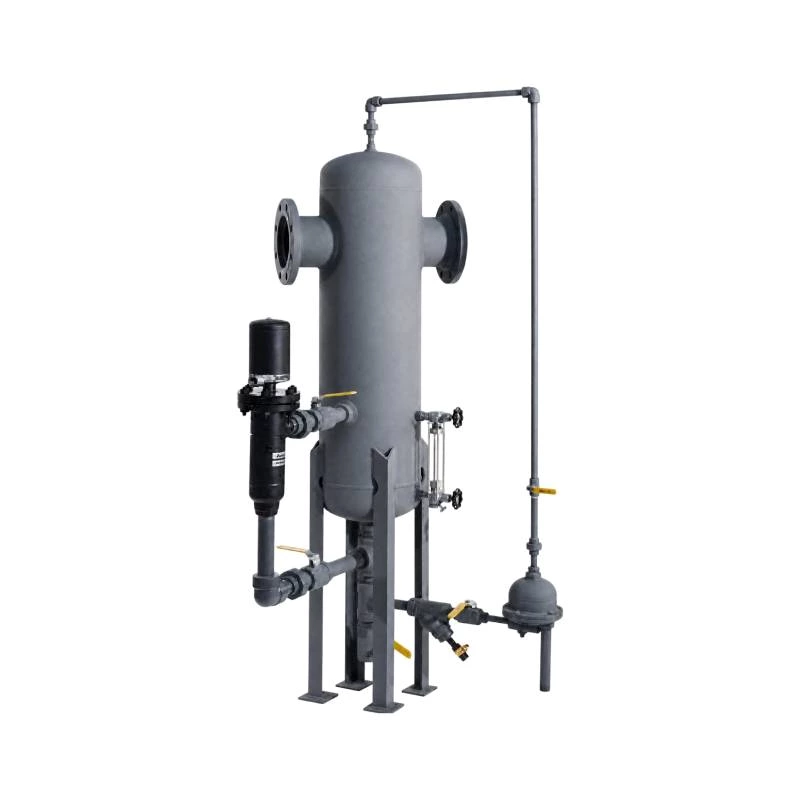
3. Centrifugal Separation and Sand-Collection Tank
The system uses high-pressure cyclonic flow to generate centrifugal force. Sand particles above the project’s specified separation range of approximately 15–44 μm are directed toward the lower collection section, where they settle in the sand tank for controlled discharge.
Automated valve assemblies enable online sand discharge based on timer settings or differential-pressure signals. This arrangement reduces the need for manual intervention and helps maintain the desander’s separation performance during extended drilling operations.
Hydrocyclone separation is particularly useful when the process requires a compact solid-liquid separation stage with no filter media to replace. Final separation performance depends on cyclone geometry, inlet pressure, flow rate, particle-size distribution, solids concentration, fluid viscosity, and the density difference between the liquid and solids.
4. Offshore-Oriented Automation and Monitoring
The system integrates explosion-proof control boxes and digital monitoring instruments for offshore operation. Control and monitoring functions support automated sand-discharge sequences, operating-status supervision, and process-condition management.
According to the project information, interfaces were designed in accordance with applicable API specifications, and the supplied equipment held DNV/ABS classification-society certifications for the relevant offshore applications. The exact certification scope, hazardous-area classification, interface requirements, and approval documents should be verified for each final project package and installation site.
Customer Value and Project Results
After commissioning across multiple drilling rigs delivered by CIMC Raffles, the desanding systems demonstrated stable operating performance and delivered the following reported benefits:
•Approximately 60% lower replacement frequency for downstream pumps and valves: Improved sand removal reduced abrasive loading on downstream components, helping lower spare-part consumption and maintenance demand;
•Lower maintenance workload: Automated sand discharge and continuous operation reduced manual intervention and offshore maintenance hours;
•Improved drilling-fluid circulation quality: More effective solids control helped maintain a cleaner and more stable circulation process, supporting efficient oil and gas extraction;
•Enhanced offshore reliability: Wear-resistant internals, corrosion-resistant construction, and integrated monitoring supported stable operation in demanding marine conditions;
•Long-term project cooperation: CIMC Raffles recognized the solution’s wear-resistance and offshore-compliance capabilities, leading to long-term supply agreements for multiple deep-sea energy-development projects.
The reported 60% reduction in downstream pump and valve replacement frequency is specific to this project group. Actual component life and maintenance performance depend on sand concentration, particle hardness, flow velocity, system pressure, operating hours, maintenance procedures, and the final equipment configuration.
Conclusion
Offshore drilling and seawater-treatment systems must control abrasive solids while operating within tight space, corrosion, safety, and uptime constraints. Conventional filtration equipment may not always be suitable for high-solid, high-velocity fluids or for applications where continuous discharge and low maintenance are essential.
The CIMC Raffles project demonstrates how a customized hydrocyclone desanding package can combine centrifugal solid-liquid separation, wear-resistant materials, corrosion protection, compact skid integration, automated sand discharge, and offshore-oriented control. By removing sand before it reaches critical pumps, valves, and seals, the system helps improve circulation stability and reduce the maintenance burden associated with offshore operations.
If your application involves offshore drilling, seawater treatment, mud circulation, sand removal, high-solid fluids, or compact skid-mounted separation, contact the UNITE engineering team with your process data and installation requirements.
Related Pages
•Marine Equipment Industry Solutions
•Filtration and Separation Skid-Mounted Systems
•Oil-Refining Filtration Solutions
•CIMC Raffles Hydrocyclone Desanding Project