Shagang Steel Project: Large-scale Lubricating Oil Injection and Precision Filtration System
Project Background: Protecting Critical Steel-Plant Lubrication Systems
Shagang Group’s production lines include high-speed wire rod, hot-rolled coil, and heavy-plate operations. In these high-intensity industrial environments, the lubrication systems serving rolling mills, large gear reducers, and hydraulic stations are essential to the availability and stability of the entire production line.
Steel plants typically combine high dust loading, elevated temperatures, heavy mechanical loads, and continuous operation. Under these conditions, lubricating oil can become contaminated by metal chips, mill scale, ferromagnetic wear debris, and external dust during filling and circulation. If these contaminants enter precision bearings or hydraulic components, they may cause abnormal wear, temperature rise, reduced equipment life, or even major equipment failure.
The project is consistent with UNITE’s industrial oil and process-filtration solutions, which focus on removing particles and impurities to protect pumps, equipment, and other downstream assets from fouling and wear while supporting reliable continuous operation.
Core Challenges
1. High-Viscosity Oil Filtration
Heavy-duty gear oils used in steel mills—such as VG220, VG320, and VG460 grades—can present substantial resistance to flow. Traditional filters may struggle to balance high filtration precision, acceptable pressure drop, sufficient flow capacity, and reasonable element life when processing high-viscosity oil.
2. High Contaminant Loading
Steel-plant lubrication circuits are exposed to magnetic metal particles, wear debris, mill scale, and fine dust. The filtration system therefore needed strong dirt-holding capacity and a staged separation approach to prevent rapid loading of the final precision elements.
3. Continuous Production and Maintenance Pressure
Steel production lines operate around the clock. A blocked filter or a maintenance shutdown can affect the availability of expensive rolling and hydraulic equipment. The system needed online changeover and maintenance capability so that filter elements could be serviced without interrupting the lubrication circuit.
4. Strict Oil-Cleanliness Requirements
After oil injection and purification, the system needed to maintain oil cleanliness at NAS Class 7 or ISO 16/13 or better, according to the project requirements. This cleanliness level supports the operating needs of long-life bearings and other precision components, subject to the actual oil, equipment, and measurement method.
Customized Solution: Modular Duplex and Mobile Lubricating-Oil Purification
1. Two-Stage Magnetic and Precision Filtration
The system uses a two-stage filtration strategy. A high-performance magnetic separator is installed upstream to capture ferromagnetic wear debris and other magnetic metal particles before they reach the precision filtration stage. This reduces the contaminant load on the downstream elements and helps preserve their filtration capacity.
The second stage uses high-strength sintered metal-fiber media or specialty fiberglass media for micron-level particle interception. The combination allows the system to address both high-load metal contamination and the fine particles that can threaten bearings, hydraulic valves, pumps, and other precision equipment.
This staged approach reflects the broader principles described in UNITE’s Filtration System Series, which combines filtration technologies, intelligent control, and modular design to match different fluid characteristics and operating conditions.
2. Duplex Changeover for Maintenance without Shutdown
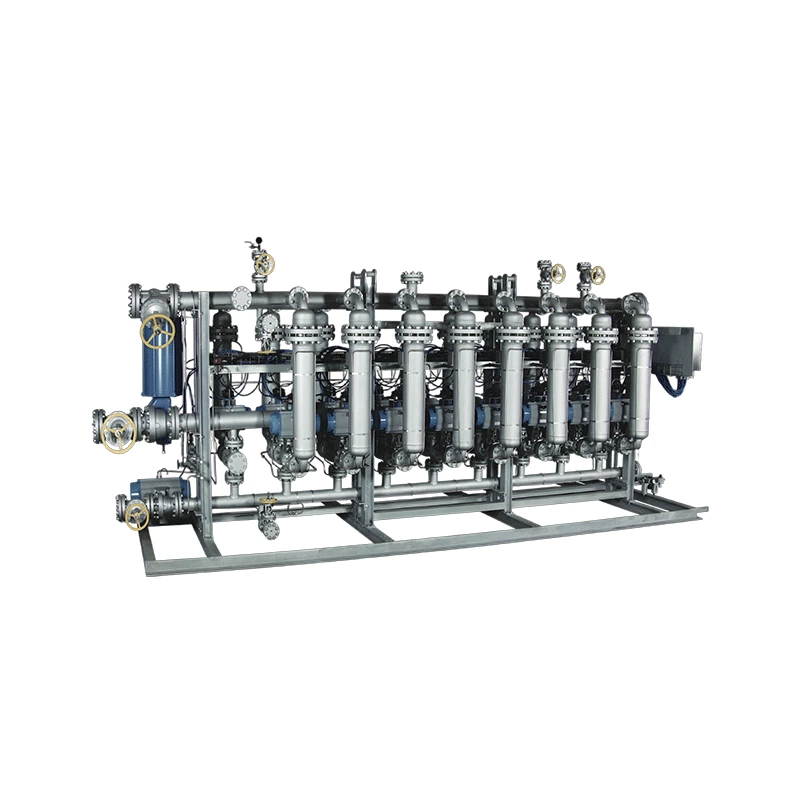
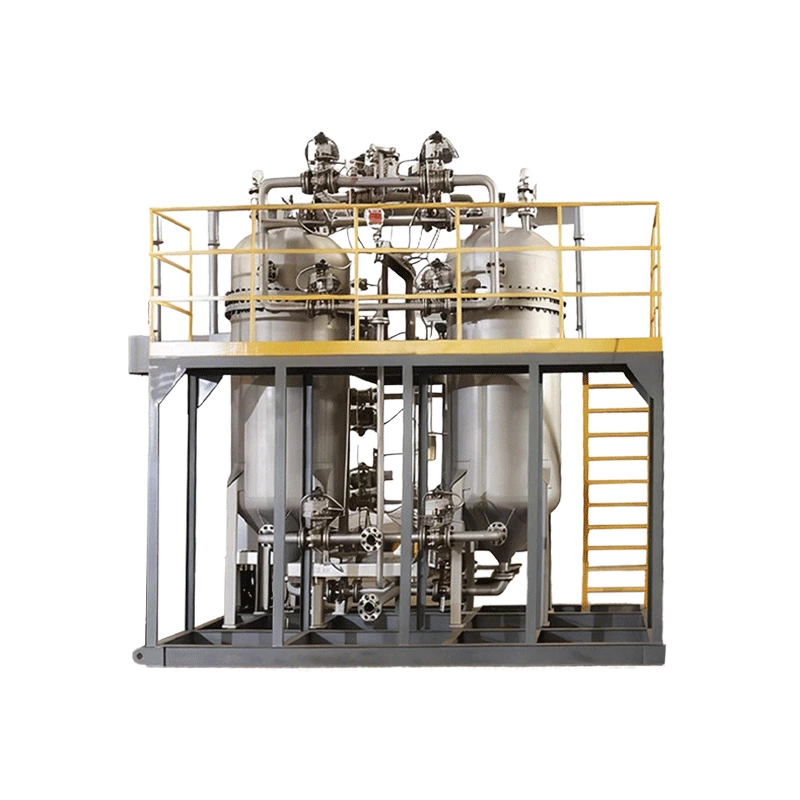
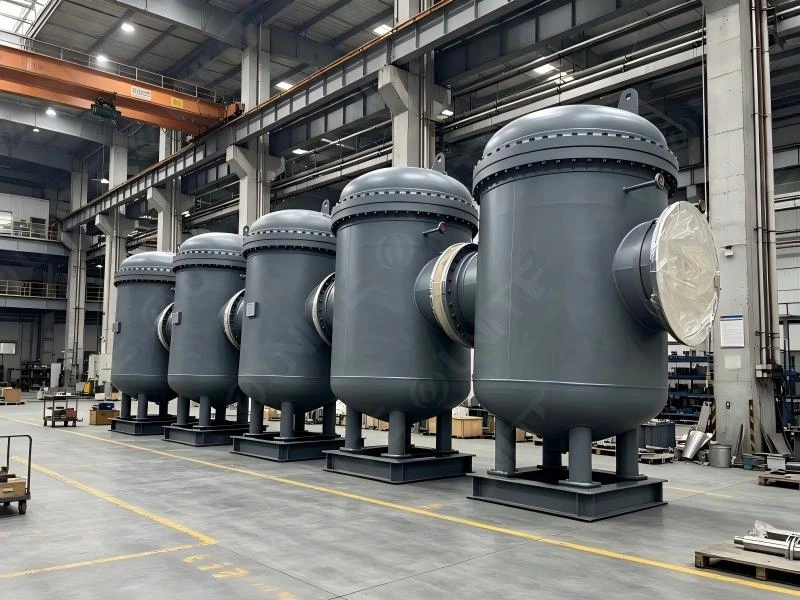
The purification unit uses a twin-vessel parallel configuration with high-performance changeover valves. During normal operation, one vessel can remain online while the other is isolated for element inspection, cleaning, or replacement. The operator can then switch the flow path as required, allowing maintenance without stopping the main lubrication circuit.
This design is particularly valuable in 24/7 steel production, where unplanned downtime can have a significant operational and economic impact. The final changeover sequence, valve arrangement, isolation philosophy, and bypass protection should be confirmed against the plant’s safety and maintenance procedures.
3. High-Flux Flow Paths with Low Initial Pressure Drop
The internal flow paths were optimized for high-viscosity lubricating oils. The filtration area was increased to distribute the flow more evenly and reduce the initial pressure drop across the elements. This helps maintain the required flow rate while supporting longer element service life and more stable operation.
The actual pressure drop depends on oil viscosity, temperature, flow rate, particle loading, filter-element condition, and the selected media. These variables should be verified through process testing and equipment sizing.
4. Intelligent Differential-Pressure Monitoring
The system is equipped with high-sensitivity differential-pressure alarms to monitor filter-element loading in real time. When the pressure differential approaches a configured threshold, operators can receive an early indication that the element requires changeover or maintenance.
Through PLC connectivity, operating information can be integrated with the workshop’s EAM management system. This supports condition-based or predictive maintenance by linking filter status with equipment-maintenance planning and reducing reliance on fixed replacement intervals.
5. Modular and Mobile System Configuration
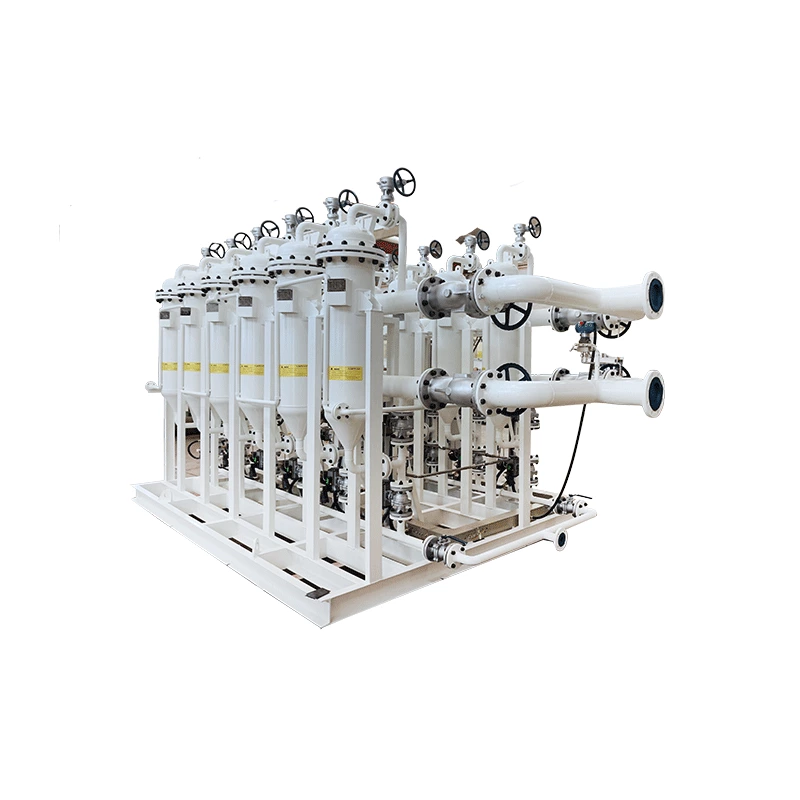
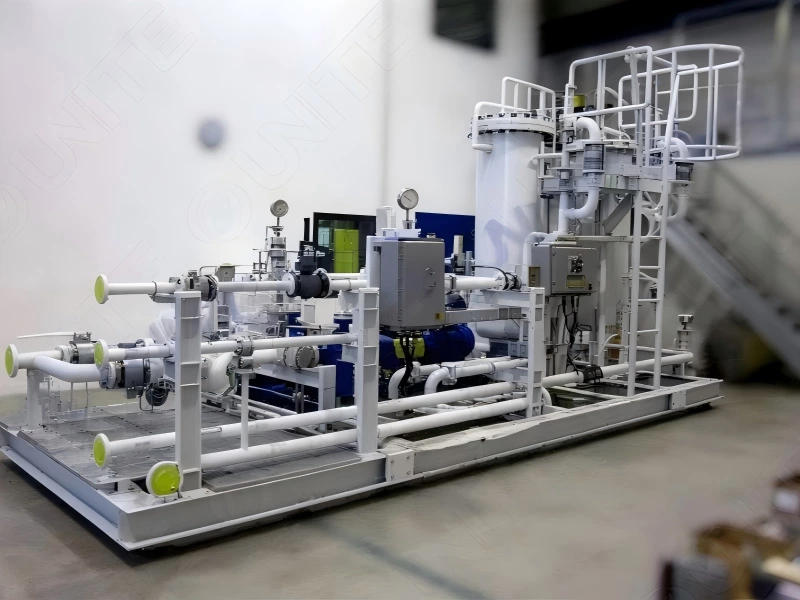
To support different plant locations and maintenance requirements, UNITE supplied modular duplex and mobile lubricating-oil purification solutions. The modular arrangement facilitates equipment deployment, relocation, and adaptation to different lubrication circuits, while the integrated system approach combines filtration stages, valves, instruments, and controls in a coordinated package.
For projects requiring compact integration and customized piping or control arrangements, see UNITE’s skid-mounted filtration and separation systems.
Customer Value and Project Results
After the lubricating-oil filtration systems were commissioned at Shagang Group, the project delivered the following reported benefits:
•Approximately 30% lower bearing failure rate: Improved oil cleanliness helped reduce the impact of particulate contamination on critical bearing systems;
•Shorter unplanned maintenance downtime: Online duplex changeover and improved filter monitoring reduced the need for lubrication-system shutdowns caused by filter loading;
•Lubricating-oil change intervals extended by more than 1.5 times: Long-term cleanliness control reduced the frequency of oil replacement, helping lower waste-oil disposal costs and environmental pressure;
•Improved protection for core equipment: Magnetic pre-separation and precision filtration helped protect rolling-mill bearings, reducers, hydraulic stations, pumps, valves, and related components;
•Lower maintenance burden: Condition-based monitoring supported more efficient planning of filter-element replacement and routine service;
•Ongoing project cooperation: Shagang recognized the system’s durability in a demanding heavy-industrial environment, leading to continued cooperation across subsequent expansion projects.
The reported reduction in bearing failures and extension of oil-change intervals are specific to the Shagang project. Actual results depend on oil grade and viscosity, contaminant type and concentration, flow rate, operating temperature, equipment condition, filtration precision, cleanliness measurement method, and maintenance practice.
Conclusion
Lubricating-oil filtration in steel plants must address more than nominal particle-removal performance. The system must handle high-viscosity oils, heavy contaminant loads, magnetic wear debris, continuous operation, low pressure drop, and strict cleanliness targets at the same time.
The Shagang project demonstrates how a staged magnetic-plus-precision filtration system, combined with duplex online changeover, high-flux flow design, and intelligent differential-pressure monitoring, can support the reliability of heavy-duty rolling-mill and hydraulic equipment. By controlling oil contamination over the long term, the solution helps reduce bearing failures, limit unplanned downtime, and extend lubrication-oil service intervals.
If your application involves rolling mills, gear reducers, hydraulic stations, high-viscosity gear oils, mobile oil purification, or continuous industrial production, contact the UNITE engineering team with your oil properties, cleanliness target, flow rate, and contaminant data.
Related Pages
•Oil-Refining and Industrial Oil Filtration Solutions
•Filtration and Separation Skid-Mounted Systems
•Shagang Steel Lubricating-Oil Filtration Project