Candle Filter RFQ Checklist: What Process Data Should You Provide?
A complete candle filter RFQ should describe the process, not only the equipment name. A request that states “please quote a candle filter for [flow rate]” may be enough for an initial conversation, but it is rarely enough for a meaningful engineering proposal. The filtration system must be evaluated against the liquid, solids, operating cycle, filtrate requirement, cake-handling method and plant interfaces.
This checklist helps process engineers and procurement teams prepare the information needed to evaluate an industrial candle filter system. It also helps suppliers identify missing inputs early, before an assumed vessel size or nominal filtration rating is treated as a final design.
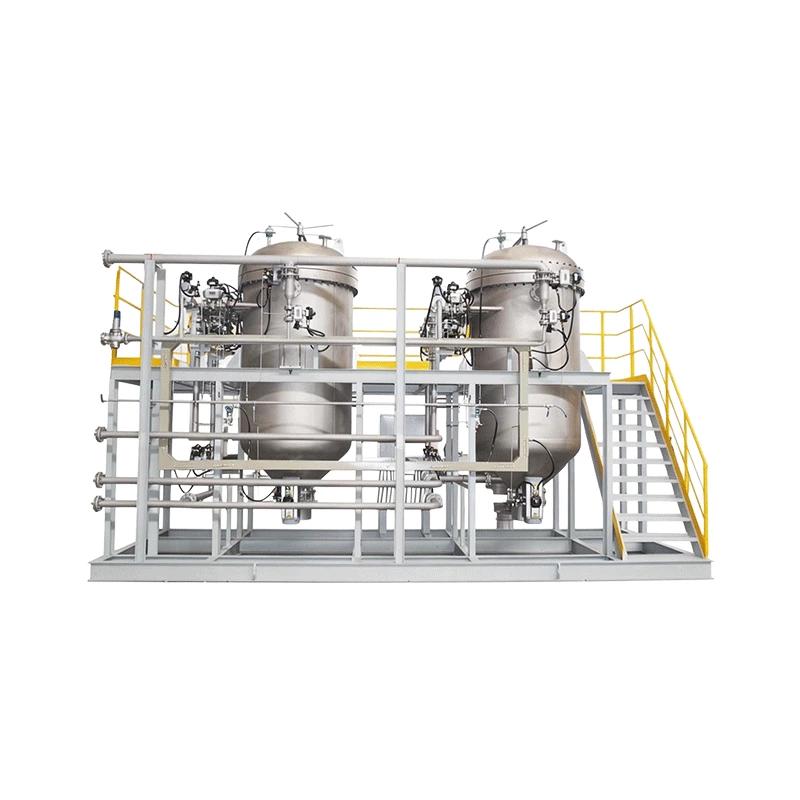
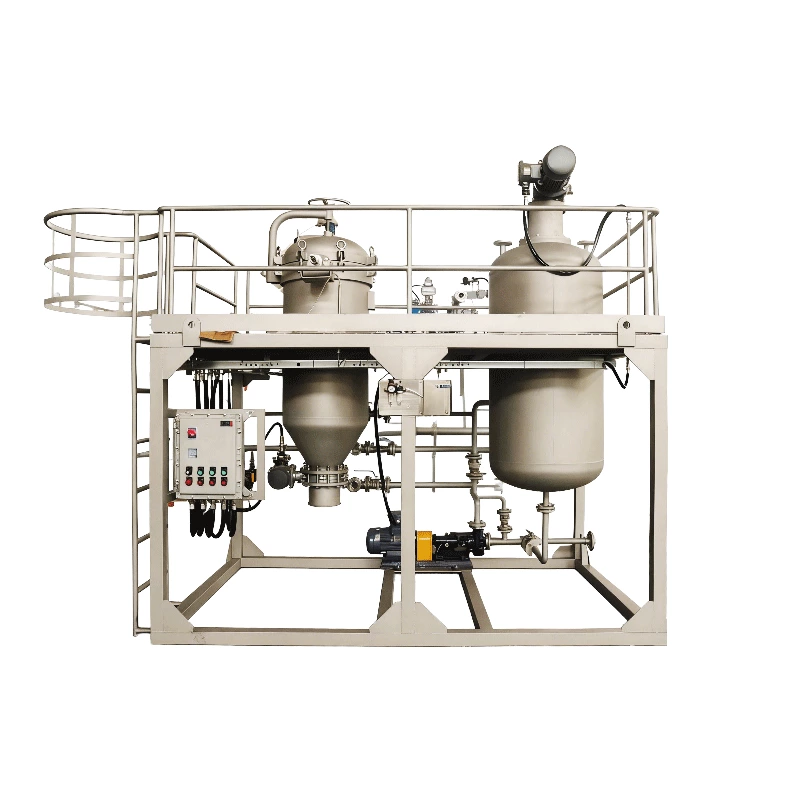
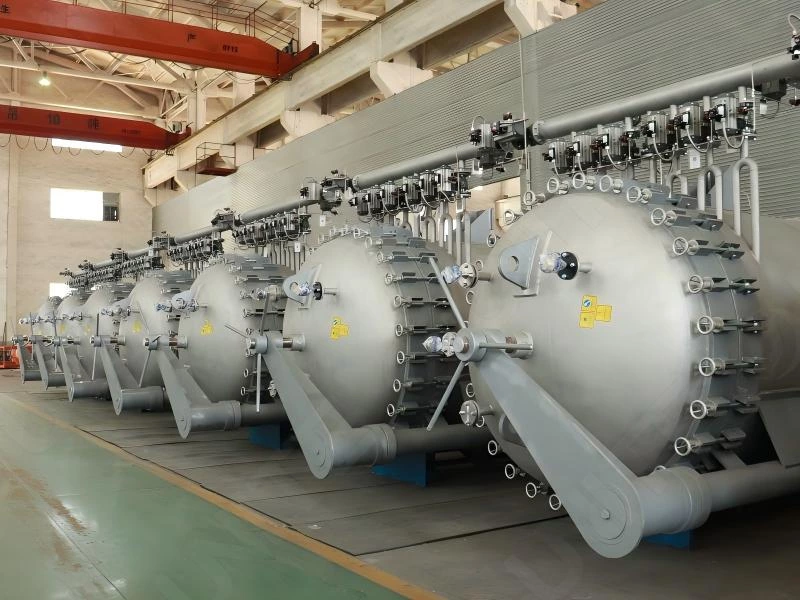
A candle filter typically uses multiple tubular filter elements inside a closed pressure vessel. During operation, liquid passes through the selected filter media while solids are retained and form a cake on the element surfaces. The subsequent sequence may include washing, displacement, dewatering, cake release and discharge. The actual sequence and equipment configuration depend on the process conditions.
RFQ principle: The more clearly you define the separation objective and the complete operating cycle, the more useful the technical and commercial proposal will be.
If you are preparing an inquiry, review UNITE’s industrial candle filter systems and use the sections below to organize your process data.
1. Define the Process Objective Before the Equipment Scope
Start by describing what the filtration step must achieve. Is the objective to produce a clarified liquid, recover valuable solids, protect downstream equipment, wash a retained cake, reduce product loss, or prepare material for another operation? A single project can have more than one objective, but the priorities should be ranked.
| Process objective | Information to state in the RFQ | Why it matters |
| Clarified liquid | Required residual-solids level, analytical method and downstream limit | Defines the separation target and any monitoring requirement |
| Valuable-solid recovery | Solid identity or safe description, recovery target and downstream destination | Affects cake washing, dewatering, discharge and containment |
| Downstream protection | Protected equipment and maximum permitted carryover | Helps define feed variability and performance criteria |
| Product loss reduction | Which phase contains the valuable material and acceptable loss | May require displacement, washing or recovery steps |
| Safe spent-solid handling | Hazard, dust, solvent, temperature and containment requirements | Influences vessel connections, discharge, venting and procedures |
Avoid presenting an unverified result as the requirement. For example, “100% catalyst recovery” is not a design input unless a validated measurement method, sample basis and process boundary are also defined. Instead, state the required recovery objective, how it will be measured and what operating conditions apply.
2. Describe the Liquid Phase
The liquid composition is required for material compatibility, process design and performance assumptions. A trade name or broad description such as “chemical slurry” is not enough if the stream contains solvents, chlorides, cleaning agents, corrosive components or variable contaminants.
Provide the normal composition and any known upset components. Include density, viscosity and vapor pressure where relevant. If viscosity changes with temperature, provide the temperature-viscosity relationship or values at the expected operating points. Also identify whether the liquid is sensitive to shear, oxidation, temperature or residence time.
| Liquid data | Preferred RFQ input |
| Composition | Main components, concentration range and known contaminants |
| Physical properties | Density, viscosity, vapor pressure and solids-free liquid properties |
| Chemistry | pH, chloride level, solvent content, cleaning chemicals and corrosion concerns |
| Temperature | Normal, minimum, maximum, design and upset conditions |
| Pressure | Normal inlet/outlet pressure, vessel design pressure and vacuum possibility |
| Variability | Seasonal, batch, campaign or feedstock changes |
If a safety data sheet or process chemistry document is available, identify the document revision and attach it through the approved secure channel. The supplier should not infer compatibility from a product name alone.
3. Characterize the Solids and Filter Cake
Solids data are often the most important inputs in a candle filter RFQ. Identify the catalyst, product, contaminant or other solid using a safe description and state whether the material is valuable, reusable, hazardous, abrasive or intended for disposal.
Provide particle-size distribution, concentration, density, shape and expected variability. If the cake is known to be compressible, sticky, fragile or difficult to release, describe the operating history. A fine solid may produce a high-resistance cake, while an abrasive solid may influence wear and maintenance planning.
The RFQ should also explain what happens after cake formation. Will the cake be washed, displaced, dewatered, reslurried, dried, conveyed, packed, regenerated or disposed of? The equipment proposal must include the relevant process interfaces rather than treating cake discharge as an afterthought.
4. Specify Flow, Batch and Cycle Requirements
State whether the duty is continuous, semi-continuous or batch. Include average and peak flow, batch volume, campaign duration, operating hours, number of batches and required availability. A flow rate without a cycle-time target does not define the capacity of a cake-filtration process.
The complete cycle may include filling, filtration, washing, displacement, dewatering, release, discharge, cleaning and readiness for the next batch. If the production schedule allows only a specific window, state the maximum acceptable duration for each stage or for the complete cycle.
| Capacity input | Example of useful wording |
| Normal throughput | [X] m³/h at normal solids concentration |
| Maximum throughput | [X] m³/h for [Y] minutes/hours |
| Batch size | [X] m³ per batch; [Y] batches per day |
| Cycle target | Complete filtration and discharge within [X] minutes/hours |
| Availability | Required operating hours and planned cleaning/shutdown window |
| Variation | Solids concentration may vary from [X] to [Y] wt% |
Do not use a maximum flow value without stating the associated solids concentration, viscosity and required filtrate quality. These conditions can materially change the filtration duty.
5. Define the Filtrate Requirement
Describe what “acceptable filtrate” means. It may be a particle-count limit, turbidity target, visual clarity requirement, downstream equipment protection limit, product purity criterion or analytical result. State the sampling location and measurement method if available.
A nominal media rating is not a complete performance specification. Separation behavior depends on the media, solids, cake formation, pressure, flow and operating cycle. If a laboratory or pilot result exists, provide the test conditions, sample preparation method and result rather than only the headline number.
6. Define Cake Washing, Dewatering and Discharge
The proposal should state whether cake washing or displacement is required, what the wash fluid is, what residual component must be reduced and where the wash liquid will go. If dewatering is required, state the desired cake condition using a validated measurement or downstream handling requirement where possible.
Describe the discharge route. The cake may flow to a receiving vessel, conveyor, dryer, regeneration step or waste container. The receiving equipment, transfer line, venting and isolation points may be part of the filtration package or may remain within the client’s scope. Mark the boundary clearly.
A candle filter can be engineered with a defined cake-release and discharge sequence, but release behavior is process-specific. If representative testing or previous operating data are unavailable, identify this as a design risk rather than assuming successful release.
7. State Materials, Codes and Mechanical Requirements
The RFQ should list applicable pressure-equipment codes, material standards, inspection requirements, weld documentation, surface-finish requirements, material traceability and certification expectations. State whether the vessel, elements, valves, piping and seals have different material requirements.
Include design pressure, design temperature, corrosion allowance, connection standards, nozzle orientation, lifting limits, access restrictions and available installation space. If the equipment will be installed in a classified area, provide the applicable classification and project standard at the start of the inquiry.
8. Define Controls, Automation and Utilities
Identify whether the system needs local control, plant-control-system integration or an automated sequence. State the required instruments, communication protocol, alarms, interlocks, valve actuation, emergency shutdown philosophy and operator interface standards. The final control logic must be aligned with the plant safety review.
List available utilities such as compressed gas, wash liquid, instrument air, power, nitrogen, drainage and ventilation. State pressure, quality and availability. Utility limitations can affect the feasible filtration, dewatering and cake-release sequence.
9. Include Project Documents and Delivery Requirements
A commercial proposal should identify the expected documentation package and delivery stages. Typical documents may include a general arrangement, process description, P&ID mark-up or interface drawing, data sheet, material list, instrument list, inspection and test plan, weld documentation, operation and maintenance manual, spare-parts list and test records.
State whether a design review, factory acceptance test, performance test, site support, commissioning or operator training is required. Also state the required delivery location, packaging standard, shipping limitations and target date. These details help suppliers price the actual project scope instead of an incomplete equipment package.
Candle Filter RFQ Data Sheet
Use the following condensed table as the first page of an inquiry. Mark unknown values as TBC rather than leaving them ambiguous.
| Category | Required value |
| Application | [Process name and separation objective] |
| Liquid | [Composition, density, viscosity and compatibility concerns] |
| Solids | [Type/description, concentration, particle-size distribution and behavior] |
| Flow or batch | [Normal/max flow or batch volume] |
| Pressure/temperature | [Normal/design/upset conditions] |
| Filtrate target | [Analytical or downstream requirement] |
| Cake objective | [Recover, wash, dewater, reslurry, discharge or dispose] |
| Materials | [Wetted materials, seals, surface finish and code] |
| Automation | [Local/remote, sequence, instruments and plant interface] |
| Utilities | [Gas, wash liquid, power, drainage and ventilation] |
| Documents/tests | [FAT, inspection, certificates and manuals] |
| Timing | [Proposal, delivery, installation and commissioning milestones] |
What Happens After You Submit an RFQ?
A useful technical review should identify assumptions, missing data, proposed design basis, equipment boundary, testing needs and exclusions. Ask the supplier to separate confirmed requirements from assumptions and options. This makes proposals easier to compare and reduces the risk of selecting an apparent low-cost offer that excludes critical process interfaces.
For catalyst, fine-chemical or other valuable-solid duties, include a safe process description and request a review of cake formation, washing, dewatering and discharge. The filter vessel should be evaluated as part of the operating cycle.
Frequently Asked Questions
What information is needed for a candle filter RFQ?
Provide the process objective, liquid composition, solids characteristics, flow rate or batch size, pressure, temperature, filtrate-quality target, cake-washing and discharge requirements, materials, automation, utilities, applicable codes and project documentation requirements.
Can I request a candle filter price with only the flow rate?
A flow rate can support an initial budgetary conversation, but it is not enough for a reliable technical or commercial proposal. Solids loading, viscosity, pressure, temperature, filtrate quality, cycle time, materials and cake handling can materially change the system scope.
Should I include a sample with the inquiry?
If permitted by the project’s safety and logistics procedures, representative sample data or test results can improve the engineering review. The sample basis, preparation method and test conditions should be documented so that results are not misinterpreted.
Do I need to specify the filter media in the RFQ?
You may state the required separation target and chemical conditions, but media selection should be reviewed against the actual liquid, solids and operating cycle. If a known media has been used successfully, provide the history and operating conditions for review.
How does UNITE evaluate a candle filter project?
A project review should begin with the process data, separation objective and operating cycle. UNITE can then define the equipment basis, identify information gaps, evaluate cake handling and confirm the appropriate scope for the filtration system and its plant interfaces.
Submit Your Candle Filter Process Data
A complete RFQ creates a better engineering conversation. Use the checklist above to describe the slurry, solids, capacity, filtration target and cake route before requesting a proposal.
Send Your Candle Filter Process Data to UNITE for an initial technical review. You can also review the Candle Filter product page and the Candle Filter working-principle guide.