Automatic Filter vs Manual Filter: Cost, Efficiency & Maintenance Comparison
Overview
Automatic filters and manual filters are two common solutions for industrial liquid filtration. The main difference is that automatic filters can clean themselves without interrupting the process, while manual filters require operators to replace or clean filter elements periodically.
Automatic filters usually have a higher initial investment, but they can significantly reduce labor costs, downtime, and consumable expenses in continuous industrial operations.
Manual filters have a lower purchase cost and are still the preferred choice for applications requiring fine filtration, sterile filtration, or low flow rates.
1. Definition of Automatic Filters and Manual Filters
Automatic Filters
Automatic filters use an integrated cleaning mechanism to remove accumulated solids from the filter element without stopping the filtration process.
The cleaning process can be controlled by:
- Differential pressure signal
- Timer setting
- Automatic control system
When the pressure difference between the inlet and outlet reaches a preset value, the cleaning cycle starts automatically.
The main types include:
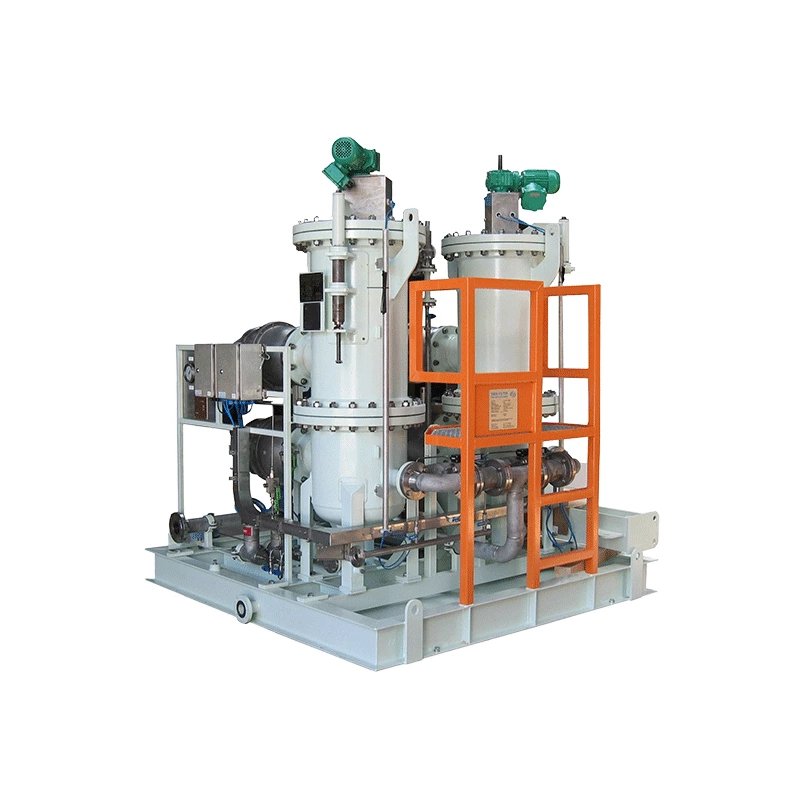
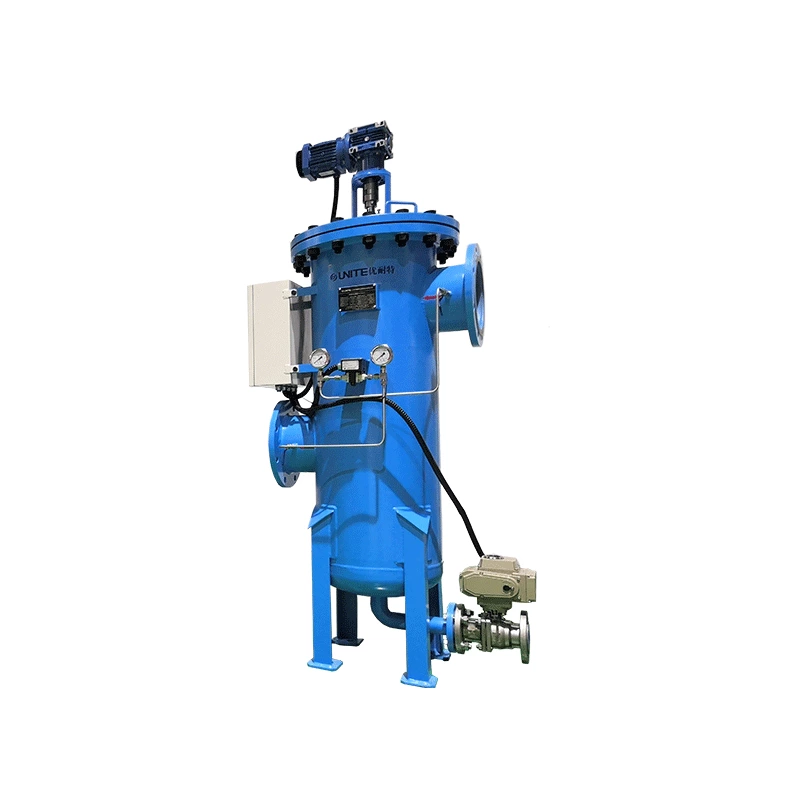
Automatic Self-Cleaning Filter
An automatic self-cleaning filter uses mechanisms such as:
- Rotating brushes
- Scrapers
- Suction scanners
to remove particles from the filter screen while maintaining continuous flow.
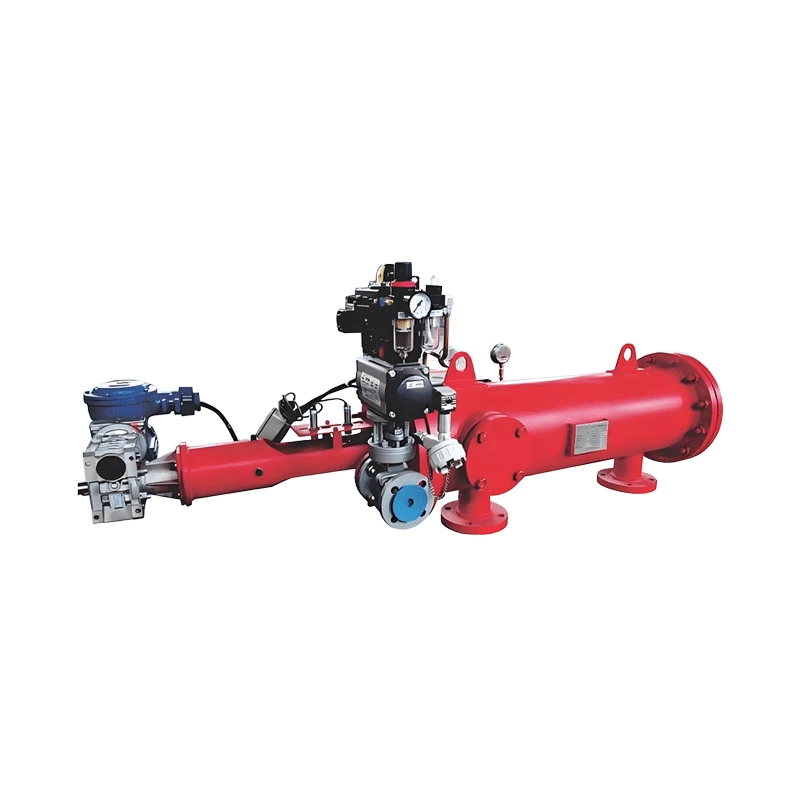
Automatic Backwash Filter
An automatic backwash filter uses a reverse flow cleaning process. A small amount of clean filtrate flows backward through the filter element, removing trapped solids and discharging them through an automatic drain valve.
Both types allow continuous operation without stopping the production process.
Manual Filters
Manual filters rely on operator intervention when the filter element becomes clogged.
Common manual filter types include:
Bag Filter
The operator must:
- Stop or bypass the process
- Open the filter housing
- Remove the used filter bag
- Install a new filter bag
- Restart the system
Cartridge Filter
Cartridge filters follow a similar replacement process but use disposable cartridge elements for higher filtration accuracy.
Basket Strainer
The operator removes the basket, cleans accumulated solids, and reinstalls the filter element.
Manual filters do not have automatic cleaning capability. Their service life depends on the contamination level of the process fluid.
2. Automatic Filter vs Manual Filter Comparison
| Comparison Item | Automatic Filter | Manual Filter |
|---|---|---|
| Process Continuity | Continuous operation without shutdown | Requires shutdown or bypass during maintenance |
| Operator Requirement | Minimal operator involvement | Frequent manual operation required |
| Labor Cost | Low | Medium to high |
| Consumable Cost | Very low, no frequent element replacement | Continuous cost for bags or cartridges |
| Initial Investment | Higher | Lower |
| Filtration Range | Typically 25–3000 microns | 0.1–1000 microns |
| Solids Handling Capacity | High | Low to medium |
| Remote Operation | Suitable | Not ideal |
| Fine Filtration Below 5 Microns | Not suitable | Suitable |
| Pharmaceutical Applications | Generally not suitable | Suitable |
| Maintenance Type | Mechanical inspection and service | Filter element replacement |
| Cleaning Waste | Small discharge volume | No cleaning wastewater, but generates used elements |
3. When Automatic Filters Are the Better Choice
Continuous High-Solids Applications
When liquids contain continuous particle contamination, manual filters may require frequent replacement, increasing operating costs and labor requirements.
Typical applications include:
- Cooling water filtration
- River water intake
- Industrial wastewater recycling
- Irrigation systems
- Process water filtration
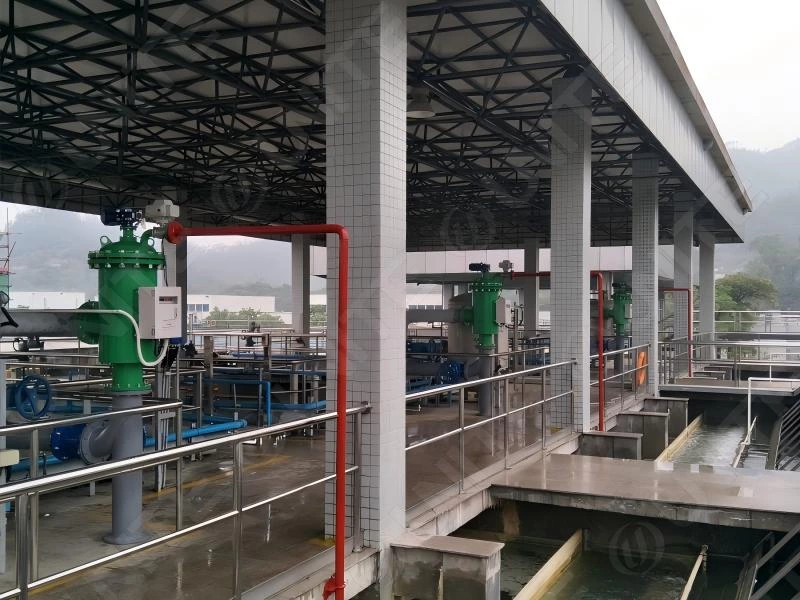
For example, a cooling water system with high suspended solids may quickly block a bag filter. An automatic self-cleaning filter can continuously remove contaminants and maintain stable differential pressure.
Remote and Unmanned Operations
Automatic filters are ideal for locations where regular manual maintenance is difficult.
Typical applications include:
- Pipeline stations
- Offshore platforms
- Water treatment facilities
- Remote industrial plants
With automatic control systems and remote monitoring, the filter can operate for long periods without operator attendance.
High Labor Cost Environments
In areas where labor costs are high, frequent manual filter replacement can become a significant operating expense.
Over the equipment lifetime, labor costs and consumable replacement can exceed the initial investment difference of an automatic filtration system.
Processes Sensitive to Downtime
Some production processes cannot tolerate filtration interruptions.
Automatic filters eliminate the need for bypass operation during filter replacement, ensuring continuous protection for downstream equipment.
4. When Manual Filters Are the Better Choice
Fine Filtration Requirements
Manual cartridge filters remain the preferred solution when filtration accuracy below 25 microns is required.
Typical applications:
- 5 micron filtration
- 1 micron filtration
- Sub-micron filtration
Pharmaceutical and Sterile Applications
Pharmaceutical and biotechnology industries require:
- Validated filtration performance
- Integrity testing
- Strict regulatory compliance
Absolute-rated cartridge filters are commonly used for these applications.
Low Flow and Low Contamination Systems
For small systems with limited contamination, manual filters are usually more economical.
Examples:
- Small process equipment
- Laboratory systems
- Low-flow water filtration
Budget-Limited Projects
When initial investment is the primary consideration, manual filters provide a lower-cost solution.
They are commonly selected for:
- Small industrial facilities
- Temporary systems
- Projects with available maintenance personnel
5. Total Cost of Ownership Comparison
Example application:
- Flow rate: 50 m³/h
- Filtration rating: 100 microns
- Medium contamination level
- Bag replacement frequency: Weekly
Manual Bag Filter Cost
| Cost Item | Annual Cost |
|---|---|
| Filter housing depreciation | $400 |
| Filter bags (52/year × $15) | $780 |
| Labor cost | $870 |
| Disposal cost | $200 |
| Total Annual Cost | Approximately $2,250 |
Automatic Self-Cleaning Filter Cost
| Cost Item | Annual Cost |
|---|---|
| Equipment depreciation | $2,000 |
| Electricity consumption | $220 |
| Annual maintenance | $500 |
| Cleaning discharge | Minimal |
| Total Annual Cost | Approximately $2,720 |
In this example, the annual operating cost difference is relatively small.
However, when contamination increases and manual filter replacement changes from weekly to daily, automatic filtration becomes significantly more economical.
Generally, automatic filters become more cost-effective when manual filter replacement is required more than once per week.
6. Hybrid Filtration System: Automatic + Manual Filters
Many industrial filtration systems combine both technologies to achieve continuous operation and high filtration accuracy.
Stage 1: Automatic Self-Cleaning Filter
Typical filtration range:
100–200 microns
Functions:
- Removes large particles continuously
- Protects downstream equipment
- Reduces maintenance frequency
Stage 2: Precision Cartridge Filter
Typical filtration range:
1–10 microns
Functions:
- Provides fine filtration
- Achieves higher filtration accuracy
- Extends cartridge service life
This combination provides both continuous operation and high-quality filtration performance.
7. Selection Guide
Choose Automatic Filters When:
- Solids concentration is high
- Continuous operation is required
- Production downtime is unacceptable
- Remote operation is needed
- Labor costs are high
- Filtration accuracy above 25 microns is acceptable
Choose Manual Filters When:
- Fine filtration is required
- Sterile filtration is necessary
- Pharmaceutical standards apply
- Flow rate is low
- Initial investment must be minimized
Frequently Asked Questions
Can an automatic filter completely replace a manual filter?
For applications requiring filtration above 25 microns, automatic filters can replace many manual filtration systems.
However, for fine filtration, pharmaceutical applications, or sterile processes, cartridge filters remain necessary.
In many industrial systems, the best solution is combining automatic pre-filtration with manual fine filtration.
What happens if an automatic filter fails?
Most automatic filters continue filtering even if the cleaning mechanism temporarily fails.
The differential pressure will gradually increase, and the control system will generate an alarm before the system requires maintenance.
How much water is wasted during automatic filter cleaning?
Automatic self-cleaning filters usually consume less than 1% of total flow during cleaning.
Automatic backwash filters typically consume around 1–3%, depending on design and operating conditions.